
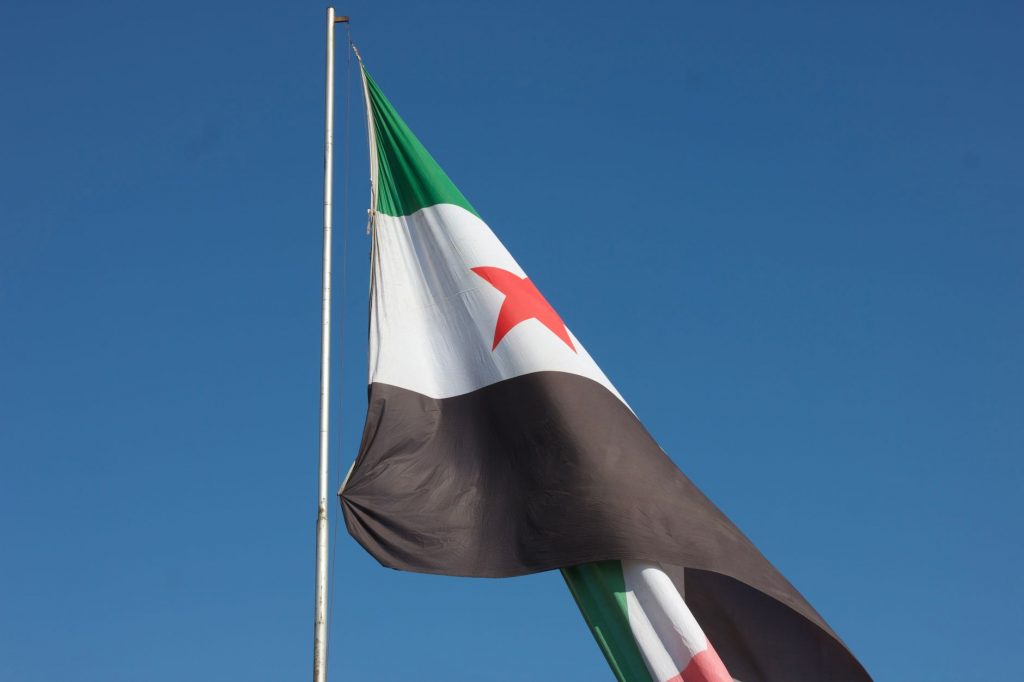
In a significant shift in foreign policy, the United States has officially removed Syria from its list of state sponsors of terrorism. This decision, enacted under the Trump administration, marks a dramatic reversal and signals a new approach to engagement with the war-torn nation.
A U-Turn on Policy
The move is particularly noteworthy given Syria’s long-standing designation. For years, Damascus has been labelled a state sponsor of terrorism, a status that carried severe international sanctions and diplomatic isolation. The Trump administration’s decision to delist Syria suggests a strategic re-evaluation, potentially aimed at fostering a different kind of relationship with the Syrian government, now led by President Ahmed al-Sharaa. Al-Sharaa, who has a past association with former al-Qaeda militants, represents a complex figurehead for a nation grappling with years of conflict and instability.
Implications for Regional Dynamics
This development is expected to have far-reaching consequences for regional geopolitics. The delisting could pave the way for increased diplomatic overtures, humanitarian aid, and potentially even economic engagement with Syria. For India, which has maintained a cautious but engaged stance with Damascus, this could present new opportunities for engagement, particularly in areas of reconstruction and stability. The international community will be watching closely to see how other nations respond to this unilateral US decision.
What Lies Ahead?
The immediate impact of this decision will be on the sanctions regime against Syria. While the US has removed the ‘state sponsor of terrorism’ tag, other sanctions may remain in place. The long-term implications hinge on how Syria, under President al-Sharaa, responds to this overture and whether it signals a genuine shift towards de-escalation and improved governance. For ordinary Syrians, the hope is that this change could lead to a more stable future and renewed efforts towards rebuilding their devastated country.