
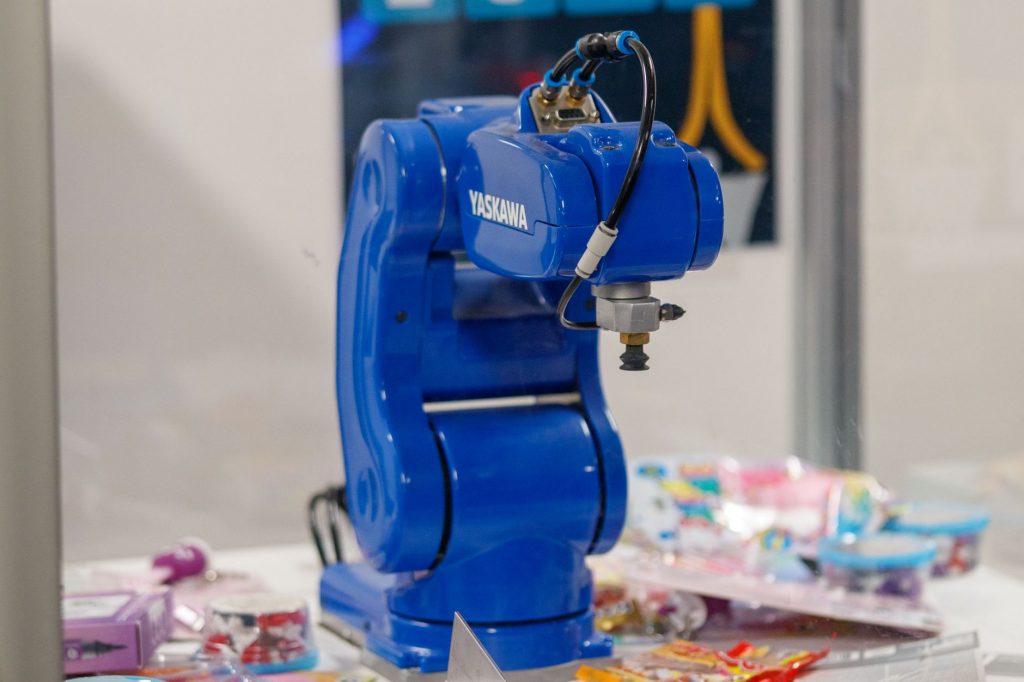
Imagine your local kirana store suddenly buzzing with automated assistants, or your favourite textile workshop employing robotic arms to stitch clothes with lightning speed. While we often hear about flashy humanoid robots, a far more significant, and perhaps more immediate, machine revolution is quietly taking shape in the heart of manufacturing. This isn’t just science fiction; it’s the reality unfolding in factories across the globe, and it’s poised to impact India’s industrial landscape profoundly.
The Silent Surge of Automation
While the world’s attention might be captivated by futuristic robots that walk and talk like us, the real story is happening on the factory floor. China, the world’s manufacturing powerhouse, is rapidly deploying industrial robots. We’re talking about more than two million of these automated workers already diligently performing tasks in their factories, and the numbers are climbing at an astonishing rate. These aren’t the robots you see in movies; they are the workhorses of modern production, designed for precision, speed, and tireless operation.
Why This Matters for India
For India, a nation striving to become a global manufacturing hub, understanding this trend is crucial. The widespread adoption of robots in production lines signifies a major shift in how goods are made. It means increased efficiency, potentially lower production costs, and the ability to scale up output dramatically. As China continues to automate, it raises questions about how Indian industries can remain competitive and what steps are needed to embrace similar technological advancements. This surge in automation isn’t just a distant phenomenon; it’s a precursor to changes we’ll likely see in our own factories and supply chains soon.
Expert Insights and the Road Ahead
Industry analysts point out that this isn’t about replacing human workers entirely, but rather about augmenting their capabilities and transforming job roles. “The focus is on collaborative robots, or ‘cobots,’ that work alongside humans, handling repetitive or dangerous tasks, freeing up people for more complex problem-solving and oversight,” explains Dr. Anya Sharma, a leading robotics expert. “For India, this presents a dual opportunity: to boost manufacturing competitiveness and to upskill our workforce for the jobs of tomorrow. Strategic investment in automation technology and training will be key to navigating this transition successfully.” The quiet revolution of industrial robots is here, and it’s set to reshape the future of manufacturing, both in China and for emerging economies like India.