
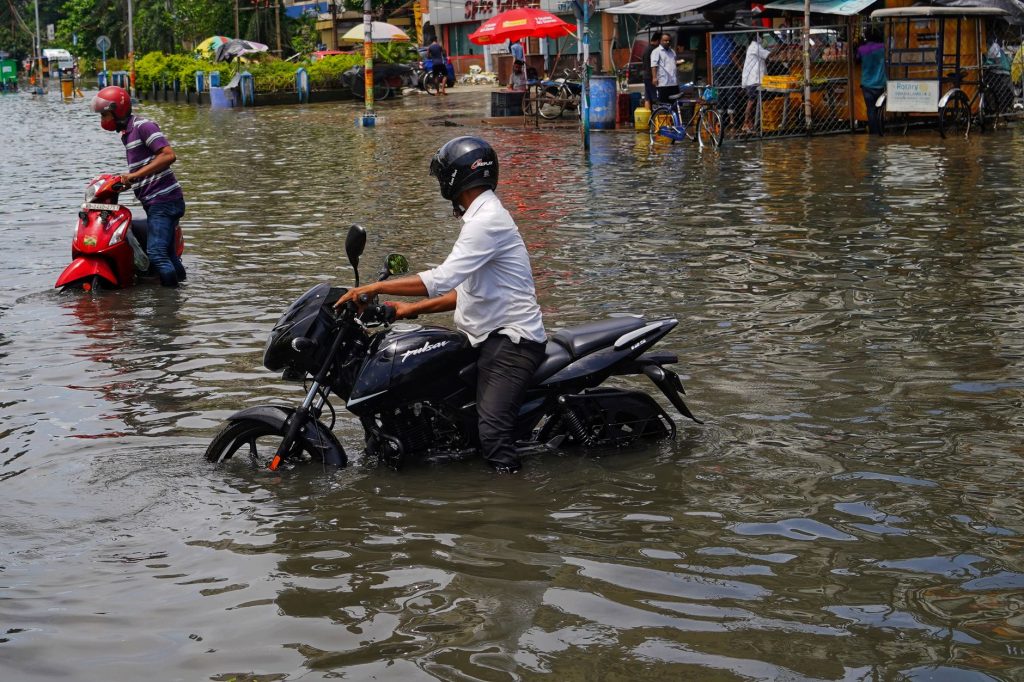
Devastating monsoon rains have unleashed a torrent of destruction across Nepal, leaving a grim trail of death and disappearances. Official figures released this morning confirm that at least 392 lives have been lost to the relentless floods and landslides. The situation is particularly alarming for India, with a staggering 288 Indian nationals reported missing amidst a total of 1,468 people unaccounted for in the Himalayan nation.
Widespread Devastation and Human Cost
The torrential downpour, which intensified over the past week, has submerged vast swathes of Nepal, particularly in the southern Terai plains. Homes have been swept away, infrastructure has crumbled, and fertile farmland has been turned into a muddy wasteland. Rescue operations are facing immense challenges due to the ongoing adverse weather and the sheer scale of the disaster. The high number of Indian citizens missing underscores the deep interconnectedness between the two nations and the shared vulnerability to natural calamities.
India Rushes Aid and Assistance
In response to the unfolding tragedy, the Indian government has mobilised significant resources to assist its citizens and aid Nepal’s recovery efforts. Search and rescue teams, along with essential supplies like food, water, and medical aid, are being dispatched. Efforts are underway to establish contact with missing individuals and their families, and to provide support to those who have been displaced or injured. The Ministry of External Affairs has set up a helpline to assist distressed Indian nationals and their relatives.
Looking Ahead: Recovery and Preparedness
The immediate focus remains on search and rescue, providing relief to the affected, and accounting for the missing. However, the long-term implications of this disaster are substantial. Nepal faces a monumental task of rebuilding its shattered infrastructure and supporting its devastated communities. For India, this event serves as a stark reminder of the urgent need for robust disaster preparedness and coordinated response mechanisms along the shared border. Lessons learned from this tragedy will be crucial in mitigating future risks and ensuring the safety of citizens on both sides of the border.