
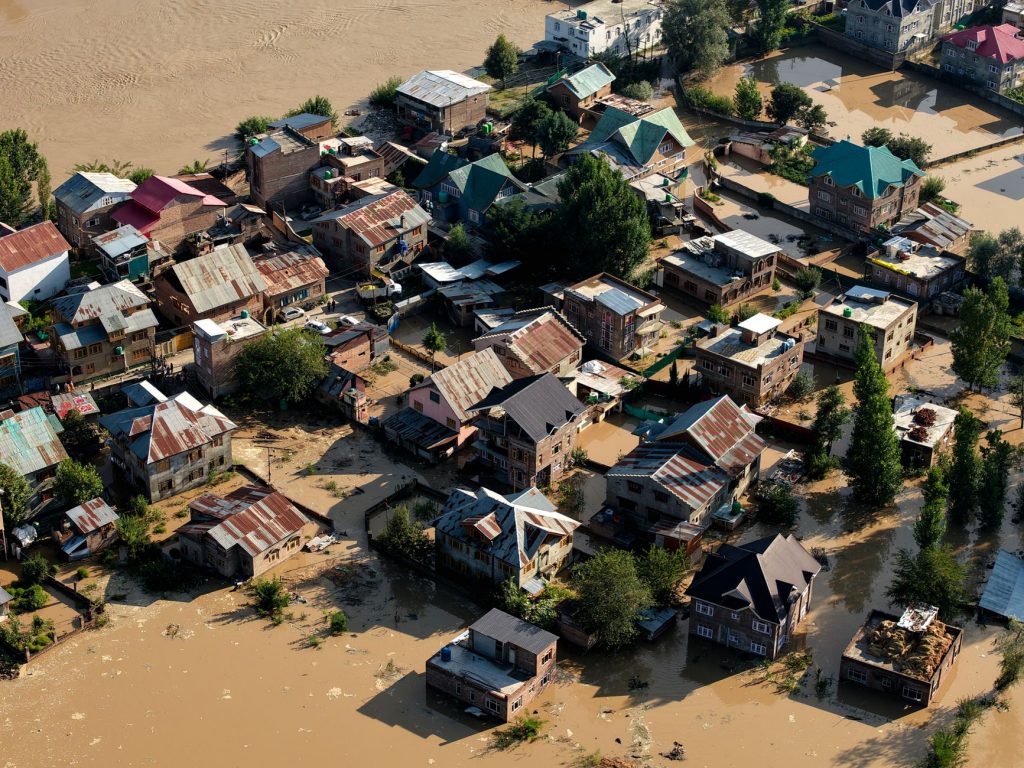
Did you hear about the devastating flash floods that recently swept through the Nepal-China border region? It’s a grim reminder of nature’s fury and the vulnerability of communities living in such remote areas. Reports confirm that the disaster struck on August 26th and 27th, 2026, leaving a trail of destruction and heartbreak.
The Fury Unleashed
The sheer force of the flash floods, triggered by heavy monsoon rains, was immense. Water levels surged uncontrollably, tearing through villages and settlements situated along the border between Nepal and China. The mountainous terrain, while beautiful, proved to be a dangerous trap when combined with such extreme weather. Homes were washed away in an instant, and the swift currents made rescue efforts incredibly challenging.
Impact and Casualties
Tragically, the floods have resulted in a significant loss of life. While official figures are still being compiled and might take time to be fully confirmed, early reports indicate a substantial number of fatalities. Many people are also reported missing, and fears are high that the death toll could rise. Beyond the human cost, the floods have also destroyed infrastructure, including roads and bridges, further isolating the affected regions and complicating relief operations.
Challenges in a Remote Area
The remoteness of the Nepal-China border area presents a major hurdle for providing immediate aid. Many of these villages are difficult to access even in normal conditions, and the damage caused by the floods has made them virtually inaccessible. This means that getting essential supplies, medical assistance, and rescue teams to the people who need them most is a race against time and a logistical nightmare.
The international community, including India, is closely monitoring the situation. The focus now shifts to immediate humanitarian assistance and long-term recovery efforts. This incident highlights the urgent need for better disaster preparedness and early warning systems in mountainous regions prone to such natural calamities. The resilience of the people in these border communities will be tested, but their spirit in the face of such adversity is something we can all learn from.