
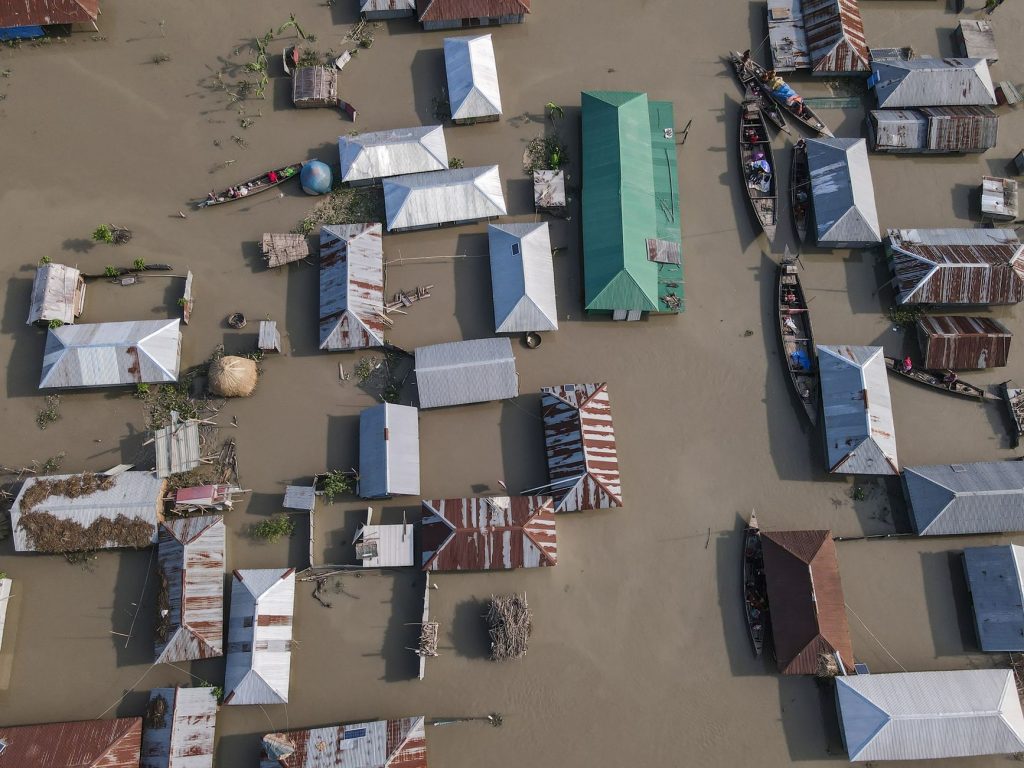
Is Nepal in for another round of devastating floods? That’s the big question on everyone’s mind as authorities in Nepal, with help from China, are sounding the alarm about a dangerously unstable lake formed by a recent, deadly landslide. This isn’t just a minor worry; it’s a serious threat that could unleash another catastrophic deluge, putting the very people trying to help in grave danger.
The Threat of a Man-Made Lake
Imagine a huge wall of mud and debris blocking a river. That’s exactly what happened recently in Nepal. A massive landslide tumbled down, creating a giant, temporary lake behind it. While it might seem like just a big puddle, experts are deeply concerned. This natural dam is not stable, and the sheer weight of the water behind it could cause it to burst at any moment. The water held back is enormous, and if it breaks free, it will rush downstream with terrifying force, just like the floods that have already caused so much destruction.
Rescuers in the Crosshairs
The immediate concern is for the brave men and women currently working tirelessly to rescue people and assess the damage from the initial landslide. They are operating in a precarious environment, and a sudden second flood would be their worst nightmare. An expert has pointed out that this new threat poses the biggest risk to these rescue teams. They are already navigating treacherous terrain, and the sudden appearance of a raging torrent of water would make their job not just difficult, but potentially deadly. Every moment they spend working is a moment they are under the shadow of this potential disaster.
Why This Matters to Us
Nepal and India share a long border and a close relationship. Natural disasters in our neighbouring country can have ripple effects. More importantly, the bravery of the rescue workers and the resilience of the Nepali people in the face of such challenges are inspiring. We can only hope that the authorities manage to either drain the lake safely or reinforce it before it’s too late. The situation is a stark reminder of nature’s power and the importance of preparedness and international cooperation when disaster strikes.