
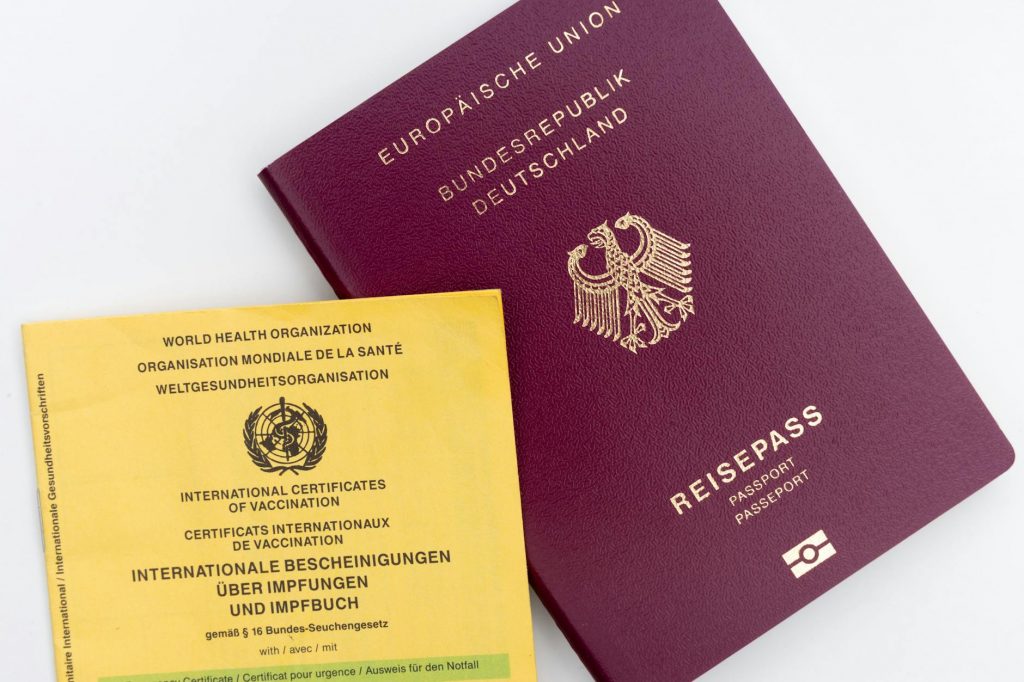
A Bangladeshi monk walked into authorities in Nagpur with a fake passport, then disappeared before questioning could proceed. The incident has raised serious questions about document forgery and illegal immigration networks operating in Maharashtra.
The Twist in the Tale
The monk handed over the forged travel document voluntarily, which initially seemed like cooperation with the law. But things took a suspicious turn when he absconded shortly after, leaving officials scrambling to track him down. This sudden disappearance suggests someone may have tipped him off about what was coming next.
What makes this case particularly concerning is his stated intention to obtain Indian citizenship. Officials suspect he was using the fake passport as part of a larger plan to establish residency and secure long-term legal status in India.
Why This Matters
Document forgery rackets targeting citizenship applications are a growing headache for Indian authorities. When foreigners can slip through with fake papers, it undermines the entire immigration system and creates security vulnerabilities.
Nagpur, being close to the Bangladesh border, has historically been a transit point for illegal migrants. This incident suggests those networks are still active and possibly getting more sophisticated in their methods.
The monk’s voluntary surrender of the passport—followed by his sudden exit—hints at something deeper. Either someone warned him, or the whole surrender was calculated to buy time while he completed other citizenship-related paperwork.
Local enforcement agencies are now investigating the source of the fake document and whether other individuals are part of the same operation. They’re also checking if he completed any official applications before disappearing.
What Happens Now
Immigration authorities have flagged his details across databases to prevent him from leaving Maharashtra unnoticed. A manhunt is underway, though sources say tracking him down won’t be easy given his head start.
The case has prompted renewed focus on citizenship verification processes. Officials are reviewing cases where applicants may have submitted forged documents, particularly from the Bangladeshi community in the region.
For now, the monk remains at large. Whether he’s still in the country or has already crossed back into Bangladesh remains unclear. What is clear is that this case exposes gaps in how India screens documents and monitors citizenship applications—gaps that determined individuals are still finding ways to exploit.