
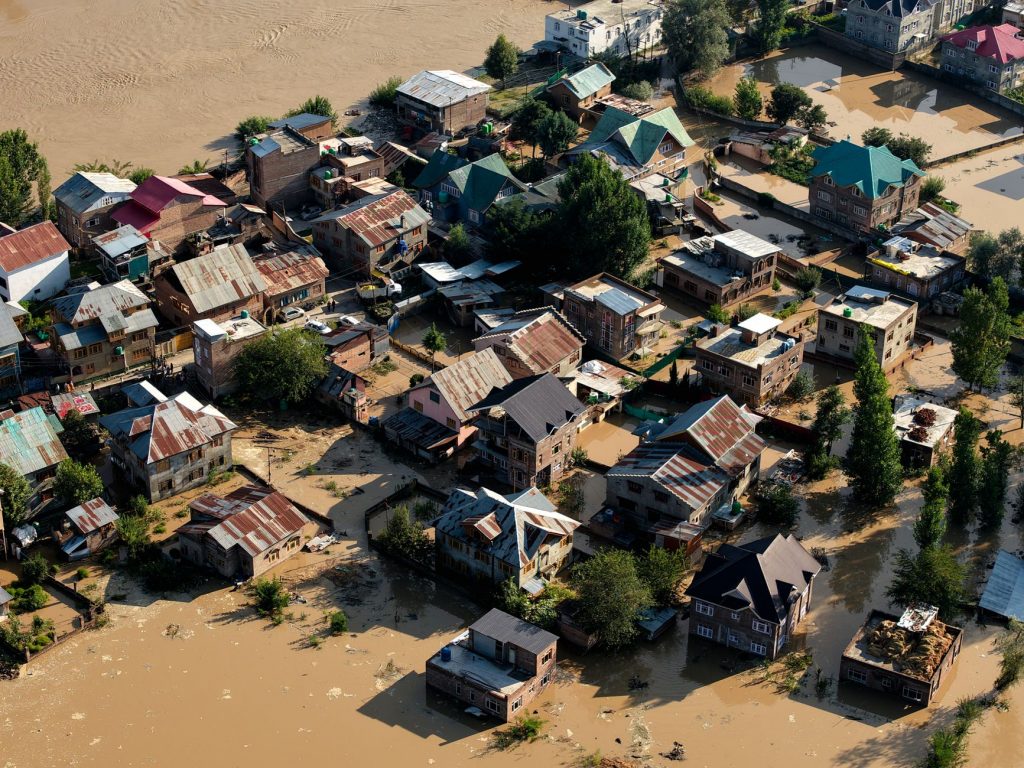
Shocking videos and desperate pleas from Tibetans affected by recent devastating floods have mysteriously disappeared from Chinese social media platforms. Reports suggest that authorities in China are actively censoring information about the disaster, preventing the world from seeing the full extent of the tragedy and the suffering of the people.
Why This Matters for Us
This sudden online silence is deeply concerning. Imagine a major natural disaster hitting a part of our own country, and then all news and videos of it being suddenly removed. It leaves us wondering what is truly happening and prevents people from offering help or even understanding the scale of the problem. For Tibetans, whose voices are already often unheard, this censorship means their cries for help and their stories of loss are being deliberately hidden. This raises serious questions about transparency and human rights.
The Disappearing Act
Eyewitness accounts and footage shared online showed the grim reality of the floods, with houses submerged and people struggling to survive. However, soon after these images and videos went viral, they were systematically taken down. This is not the first time China has been accused of controlling information about sensitive events, especially concerning Tibet. Critics argue that this censorship is a deliberate attempt to control the narrative and prevent international scrutiny of their handling of the disaster and their policies in the region.
Survivors were reportedly sharing their harrowing experiences, detailing the destruction and their urgent need for assistance. These personal stories, which often evoke empathy and encourage support, are now lost to the public. This makes it incredibly difficult for families to connect with loved ones outside the affected areas and for aid organizations to get a clear picture of where help is most needed. The suppression of these voices leaves the affected communities isolated and vulnerable.
What Happens Next?
The disappearance of this content suggests a coordinated effort by the Chinese government to control the flow of information. It leaves the international community and human rights groups concerned about the well-being of the Tibetan people. While official Chinese media might present a controlled version of events, the online silence from the ground raises serious doubts. We can expect continued calls for transparency from international bodies and a renewed focus on human rights in Tibet, even as China attempts to bury the evidence of this flood disaster.