
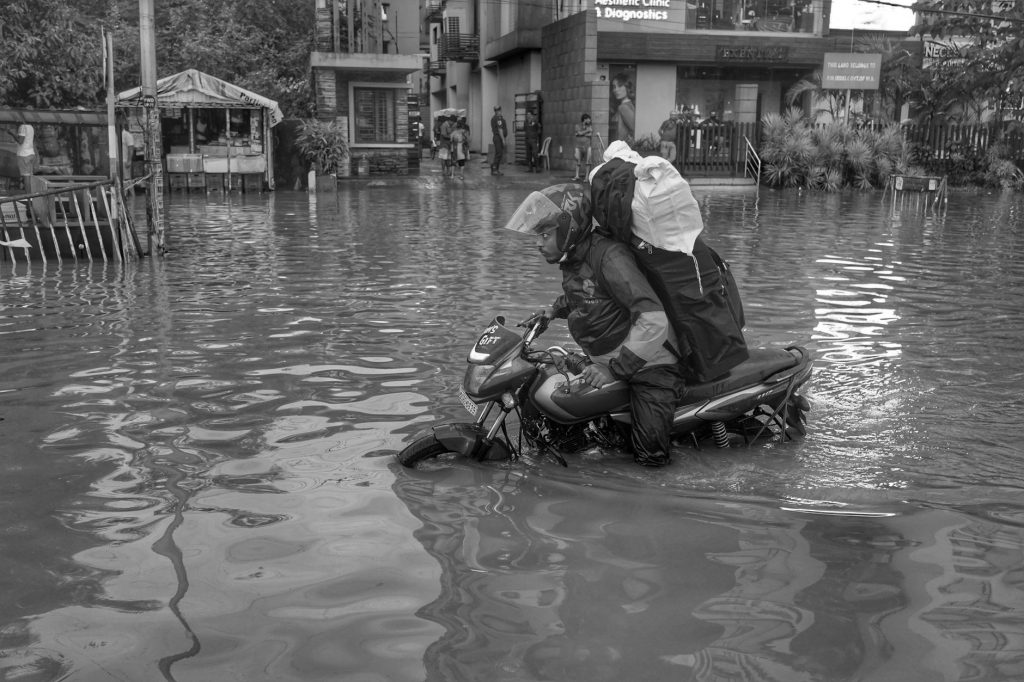
In a swift response to the persistent problem of waterlogging plaguing the capital, the Delhi government has launched a high-level investigation. Senior officials have been tasked with inspecting 139 critical areas across the city that are notorious for accumulating water during monsoon rains.
Targeting Trouble Spots
The move comes as Delhi grapples with the annual monsoon deluge, which often brings the city to a standstill due to severe waterlogging. These 139 identified locations are recurring pain points, causing significant traffic disruption, damage to infrastructure, and inconvenience to lakhs of residents. The government’s decision to deploy seasoned officers signifies a serious effort to understand the root causes and find lasting solutions, rather than just temporary fixes.
Why This Matters Now
This proactive deployment is crucial as the monsoon season is in full swing. The effectiveness of these probes will determine how quickly and efficiently the administration can address existing waterlogging issues and prevent future occurrences. The public’s patience wears thin with every downpour that cripples their daily commute and affects their lives. By assigning top brass, the government is signalling a commitment to accountability and a desire to move beyond the usual blame game.
What Happens Next
These appointed officers are expected to submit detailed reports outlining the specific reasons for waterlogging in each of the 139 hotspots. This could include issues like clogged drains, inadequate drainage systems, encroachments, or poor urban planning. Based on these findings, the government plans to implement targeted infrastructure upgrades and remedial measures. The ultimate goal is to ensure Delhi can withstand heavy rainfall without succumbing to widespread waterlogging, making the city more resilient and liveable for all its citizens.