
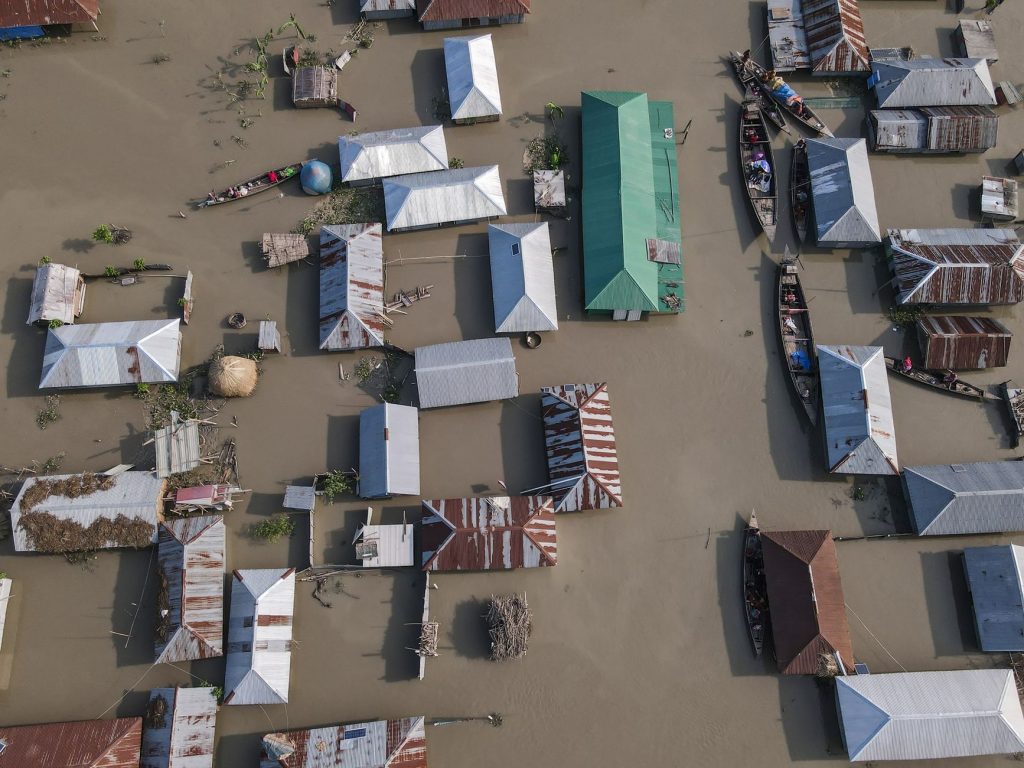
Imagine waking up to a raging river where your home once stood. That’s the grim reality for thousands in Nepal and China as devastating floods have swept through, leaving a trail of destruction and a climbing death toll. Official reports confirm hundreds have lost their lives, but the true number is feared to be much higher, with estimates suggesting thousands are still missing, feared drowned or buried under debris.
A Region Under Water
This catastrophic event, which began its devastating course around August 29, 2026, has been triggered by relentless monsoon rains combined with the rapid melting of glaciers in the Himalayas. These powerful forces have overwhelmed rivers, causing them to burst their banks with terrifying speed. Entire villages in the hilly regions of Nepal have been washed away, and low-lying areas in both countries are submerged, making rescue efforts incredibly difficult and dangerous.
The Human Cost and the Search
The scenes are heartbreaking. Survivors speak of losing everything – their homes, their livelihoods, and most tragically, their loved ones. Emergency services are working tirelessly, but the sheer scale of the disaster is overwhelming. Heavy rainfall and landslides continue to hamper rescue operations, isolating many affected areas. The search for the missing is a race against time, with hopes dwindling with each passing hour as the water recedes, revealing the full extent of the devastation.
What This Means for India
These floods, while occurring in neighbouring countries, have significant implications for India. Our long border with Nepal means that increased water flow can impact our own river systems, potentially leading to flooding in Indian states that share rivers with Nepal. Furthermore, the displacement of people and the damage to infrastructure in Nepal could lead to a humanitarian crisis that requires India’s assistance. We must also be prepared for the possibility of refugees seeking shelter and the need for aid coordination. The health and safety of our citizens living in border areas are also a concern, as any disruption in Nepal can have ripple effects across the border.