
Who was Ayatollah Ali Khamenei and why does his death matter to Indian Muslims? Khamenei was Iran’s Supreme Leader — essentially the country’s most powerful religious and political figure for the last 35 years. His death has shocked the Muslim world, and now Islamic organizations across India and globally are announcing mourning periods and protests to honor his memory.
Who Was Khamenei and Why He Mattered
Ayatollah Ali Khamenei wasn’t just a religious figure — he controlled Iran’s military, judiciary, and state media. He was the face of Iran’s Islamic Revolution and shaped Middle Eastern politics for decades. For many Muslims worldwide, especially Shia Muslims, he represented resistance against Western influence and stood as a symbol of Islamic governance.
In India, Khamenei had supporters among certain Muslim communities who saw him as a defender of Islamic principles. His speeches and statements were closely followed by religious scholars and organizations across the country.
What Muslim Bodies Are Doing Now
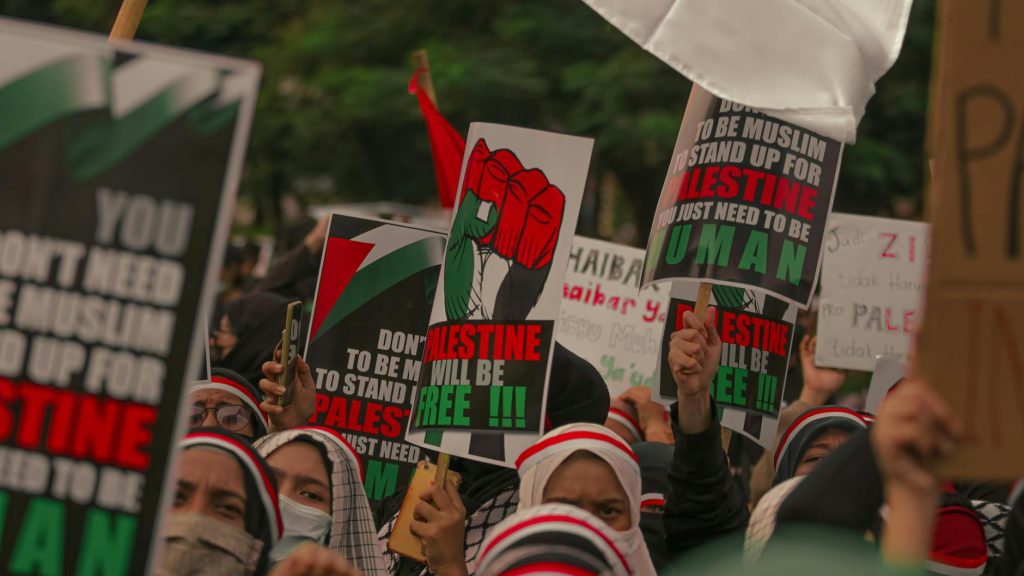
Islamic organizations in India have announced several plans. Many are organizing condolence meetings where community members will gather to remember Khamenei’s contributions. Some groups plan public protests to mark what they consider a significant loss for the Muslim world.
Major mosques and Islamic centers in cities like Delhi, Mumbai, and Bangalore are expected to hold special prayer sessions. Community leaders are issuing statements expressing grief and calling for unity among Muslims during this period.
The mourning period typically lasts several days, during which religious gatherings and discussions about Khamenei’s legacy will take place. Some organizations are also planning seminars to explain his political philosophy to younger members of their communities.
What Happens Next
Iran will now need to choose a new Supreme Leader, a process that will have significant implications for Middle Eastern politics and global relations. The transition could affect Iran’s foreign policy, including its stance on various international issues.
For Indian Muslims, this moment is personal but also political. While some see it as a sad day for Islamic leadership, others view it as an opportunity for reflection on Iran’s future direction and its role in global affairs.
The Indian government is monitoring the situation closely, ensuring that any protests or gatherings remain peaceful and don’t disrupt public order. Authorities have appealed to all communities to maintain communal harmony during this sensitive period.
This event highlights how global political developments can deeply affect Indian Muslim communities and their expressions of solidarity with leaders and nations they support. The coming weeks will show how these groups mobilize and what messages they want to communicate through their mourning and protests.