
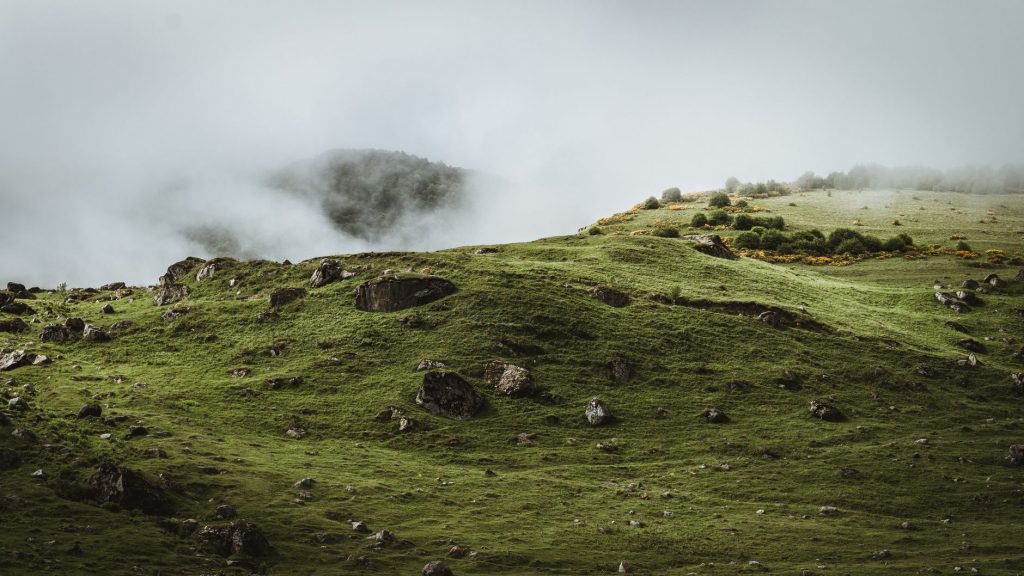
The Union government and state administrations are joining forces to conduct a comprehensive assessment of the ecological risks facing India’s hilly regions. This crucial initiative was announced by West Bengal Leader of Opposition, Suvendu Adhikari, highlighting a growing concern over the environmental health of these sensitive zones.
The move comes in response to increasing pressures on hill ecosystems, which include rapid urbanization, deforestation, and the impact of climate change. These factors can lead to soil erosion, landslides, and a loss of biodiversity, directly affecting the livelihoods of local communities and the overall environmental stability of the country. The assessment aims to identify specific threats and vulnerabilities across different hill ranges.
Understanding the Threats
Experts point out that the fragile nature of hill environments makes them particularly susceptible to damage. Unchecked development projects, often undertaken without proper environmental impact studies, can exacerbate these risks. The assessment will likely delve into issues such as water resource management, forest cover degradation, and the impact of tourism on delicate ecosystems. Understanding these dynamics is key to developing sustainable policies.
Way Forward for Hill Regions
The collaborative approach between the Centre and states is seen as a positive step towards a unified strategy for hill region conservation. Once the assessment is complete, the findings will form the basis for policy recommendations and on-ground interventions. This could include stricter regulations for construction, promotion of eco-friendly tourism, and afforestation drives. The ultimate goal is to ensure the long-term health and resilience of India’s invaluable hill ecosystems for future generations.