
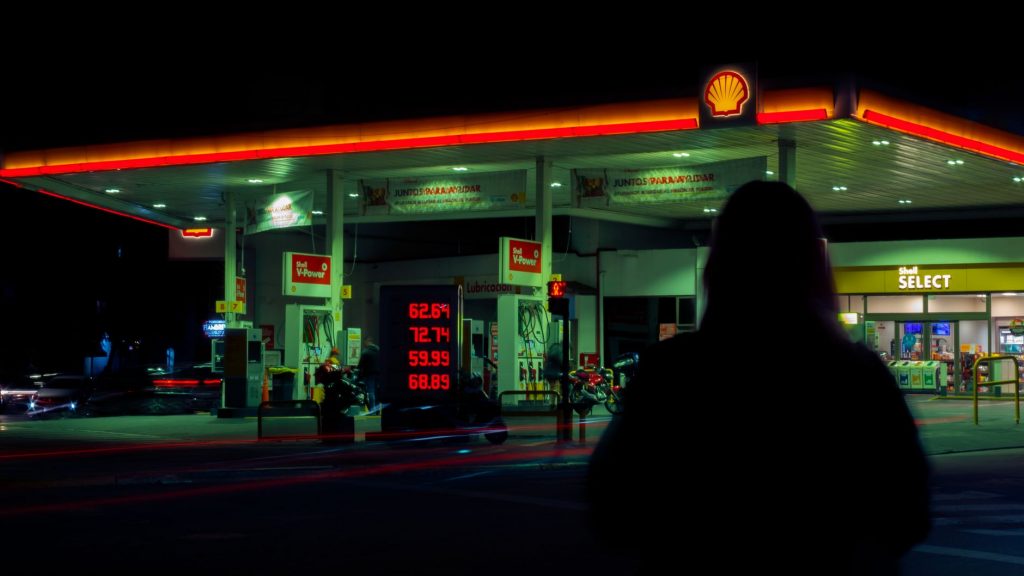
A jaw-dropping video showing 33 litres of petrol being sold for a mere ₹270 in Iran has set social media ablaze, leaving countless Indians utterly stunned. The clip, circulating rapidly online, highlights a stark contrast to the fuel prices commonly experienced across India, sparking widespread discussion and disbelief.
Unbelievable Fuel Costs
The viral footage captures a transaction where a substantial quantity of fuel is dispensed at an astonishingly low rate. For context, ₹270 would barely fetch 5-6 litres of petrol in many Indian cities today. This dramatic price difference has naturally piqued the curiosity of Indian netizens, who are accustomed to significantly higher fuel expenses. The video serves as a potent visual representation of the economic disparities in fuel pricing globally.
Why the Huge Difference?
Iran’s exceptionally low petrol prices are largely a result of government subsidies. The Iranian government heavily subsidizes fuel to make it affordable for its citizens, a policy driven by the country’s vast oil reserves and a desire to maintain domestic stability. This starkly contrasts with India’s economic model, where fuel prices are influenced by international crude oil rates, central and state taxes, and other logistical costs. The global supply and demand dynamics, coupled with India’s import dependence, contribute to the higher pump prices here.
Indian Reactions and Future Implications
The video has ignited a flurry of reactions from Indians, ranging from astonishment and envy to calls for policy reviews. Many are questioning the feasibility of such low prices and discussing the potential impact on economies with different subsidy structures. While a direct replication of Iran’s pricing model in India is unlikely due to vastly different economic and geopolitical factors, the discussion it has sparked could potentially fuel further conversations about energy policies and their impact on the common citizen’s pocket. This viral phenomenon underscores the global conversation around affordable energy and its accessibility.