
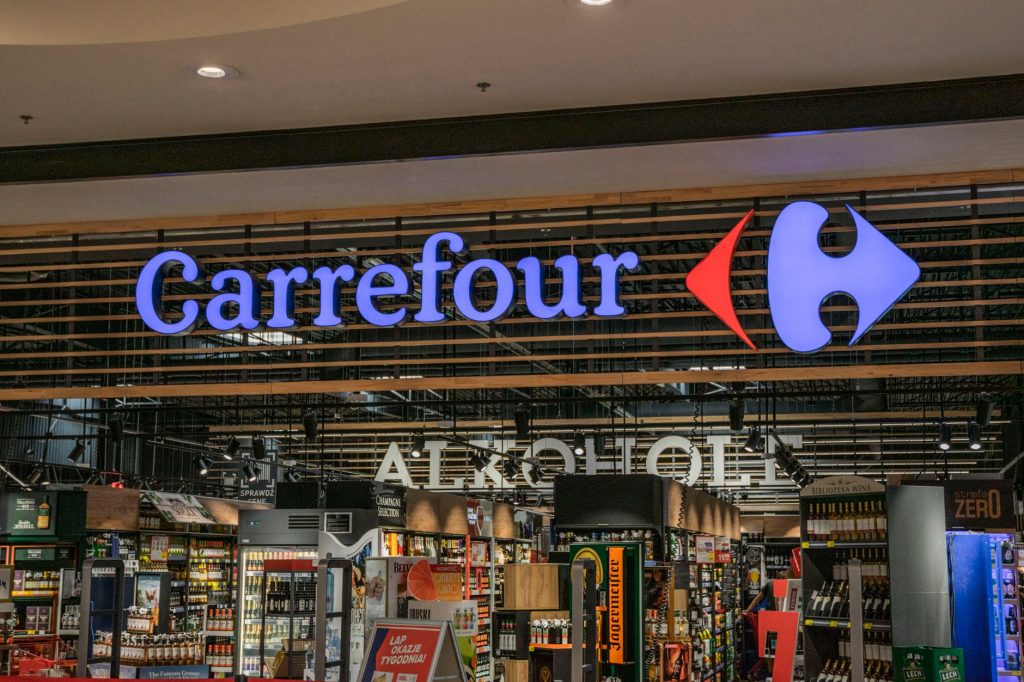
Remember those days when big international brands tried to crack the Indian market, sometimes with a bang and sometimes with a whimper? Well, a familiar name is back, and this time, it’s playing a whole new game. Carrefour, the global retail giant, is dusting off its India strategy and gearing up for a significant comeback, aiming to establish a presence with a substantial number of stores.
A New Game Plan for India
After an earlier, less impactful stint, Carrefour is reportedly charting a fresh course for India. This isn’t just a minor tweak; it’s a complete overhaul of their approach. The French retailer is now looking to open as many as 50 stores across the country. This ambitious target signals a strong belief in the Indian consumer and the vast potential of its retail landscape. Sources suggest they are focusing on a more tailored strategy, possibly leaning towards wholesale or specific formats that align better with local market dynamics and consumer habits.
Beyond the Supermarket Shelf
What does this mean for shoppers and competitors? For consumers, it could translate to more choices and potentially competitive pricing, especially if Carrefour opts for a format that directly serves smaller businesses or even end-consumers in a more efficient way. For existing players, it’s a wake-up call. The Indian retail sector is already a crowded arena, with domestic giants and other international players vying for market share. Carrefour’s renewed push, armed with a revised playbook, is bound to intensify the competition and push everyone to innovate.
Expert Take: A Calculated Risk
Industry experts believe Carrefour’s second innings in India is a calculated move. Their previous entry might not have met expectations, but the Indian market has evolved significantly since then. With a growing middle class, increasing disposable incomes, and a hunger for diverse retail experiences, the timing could be right. However, success will hinge on their ability to truly understand and adapt to Indian consumer preferences, supply chain complexities, and the regulatory environment. This isn’t just about opening stores; it’s about building a sustainable and relevant retail brand for India.