
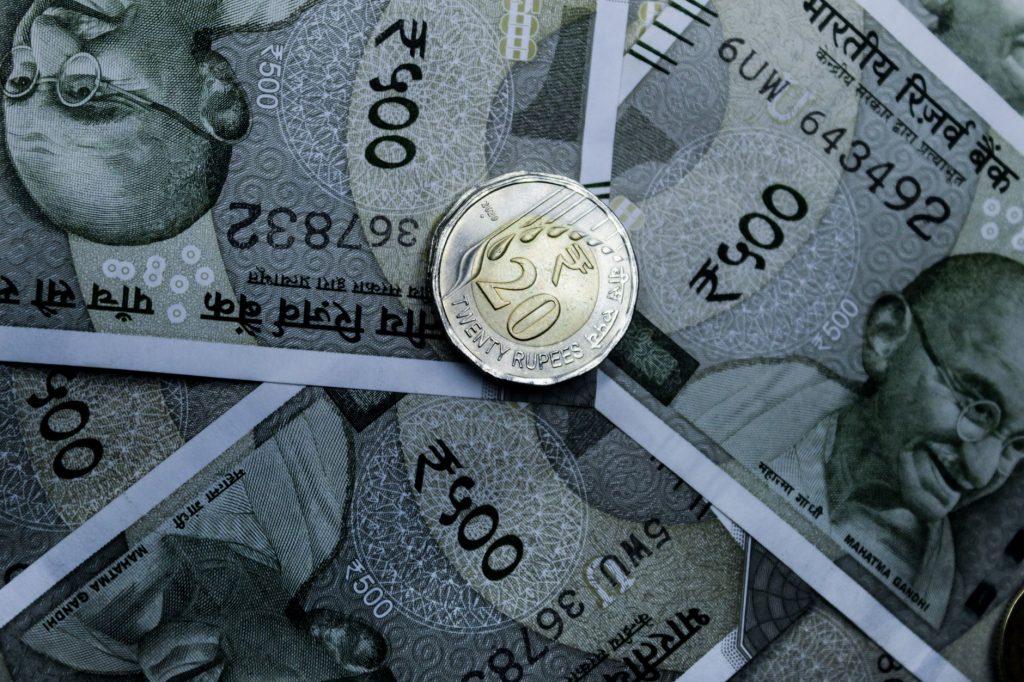
Our country’s central bank, the Reserve Bank of India (RBI), has stepped into the market to prevent the Indian Rupee from falling too sharply against other currencies. Traders on the ground have confirmed that the RBI is actively selling dollars and buying rupees in the foreign exchange market. This move is aimed at providing stability to our currency, which has been under pressure lately.
The main reason for this pressure is the rising global price of crude oil. India imports a huge amount of its oil, and when oil prices go up, we have to spend more foreign currency, mainly US dollars, to buy it. This increased demand for dollars makes the rupee weaker, as its value is compared to other currencies like the dollar. Imagine if you suddenly need a lot more of a specific item; its price will naturally go up. The rupee is facing a similar situation with the dollar.
Why This Matters for You
A falling rupee isn’t just a number on a screen; it directly impacts your wallet. When the rupee weakens, imported goods become more expensive. This includes not just fuel for your vehicles, but also electronics, certain medicines, and even some food items. Consequently, inflation, the general rise in prices, can increase, making everyday essentials costlier. For businesses that rely on imported raw materials, the cost of production also goes up, which can eventually be passed on to consumers.
The RBI’s intervention is a signal that the central bank is watching the situation closely and is prepared to act to maintain economic stability. By selling dollars, the RBI increases the supply of dollars in the market, which helps to support the rupee’s value. This action is crucial to prevent wild fluctuations and maintain confidence among investors and businesses.
What Happens Next?
The effectiveness of the RBI’s intervention will depend on several factors, including how long oil prices remain high and the overall global economic sentiment. If oil prices continue to climb and demand for dollars remains strong, the RBI might need to continue its efforts. However, the central bank also has other tools at its disposal to manage the economy. For now, this proactive step by the RBI is aimed at cushioning the immediate impact on the rupee and, by extension, on the Indian economy and its citizens.