
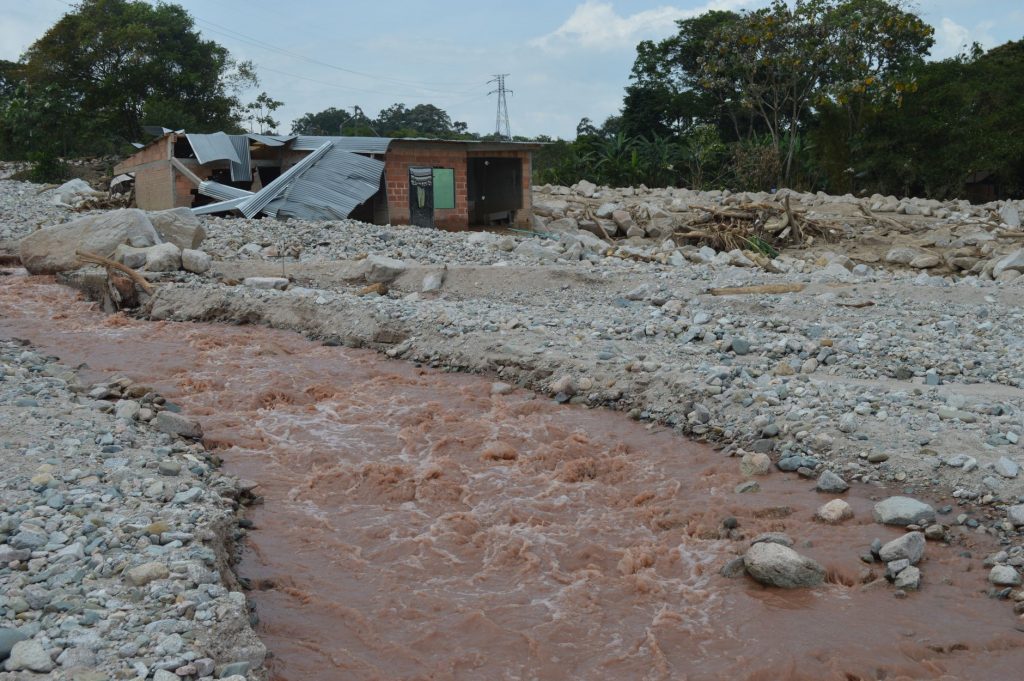
Imagine the chaos after a massive landslide hits a town, cutting off roads and trapping people. We’ve seen similar scenes in our own hilly regions, right? Well, something similar happened recently in a place called Gyirong in China, near the Nepal border. And guess what? A bunch of international journalists were there to see firsthand how China’s rescue teams were working round the clock to help.
On the Ground with Rescuers
These foreign reporters, from places like India, Nepal, and Bangladesh, got a first-hand look at the tough job China’s emergency services were doing. We’re talking about brave soldiers and rescue workers battling treacherous terrain, huge piles of mud and rocks, and the constant threat of more landslides. They were using heavy machinery, dogs, and good old-fashioned hard work to search for survivors and clear the debris. It’s not an easy task, and seeing it up close must have been quite an experience for these journalists.
A Glimpse of International Cooperation
What’s really interesting is that this wasn’t just a Chinese affair. The fact that journalists from neighbouring countries like ours were invited to witness these rescue efforts speaks volumes. It highlights the importance of sharing information and best practices, especially when dealing with natural disasters that don’t respect borders. It’s a good sign of how countries can come together in times of crisis, even if it’s just to observe and understand each other’s capabilities.
Why This Matters for Us
For us here in India, this story is a reminder of the challenges we face with landslides, especially during the monsoon. Seeing how other countries tackle such emergencies, the technology they use, and the coordination involved can offer valuable lessons. It also shows the power of international media in documenting these events, ensuring transparency, and fostering a sense of global solidarity. It’s about learning from each other to be better prepared for the unexpected, whether it’s in our backyard or across the Himalayas.