
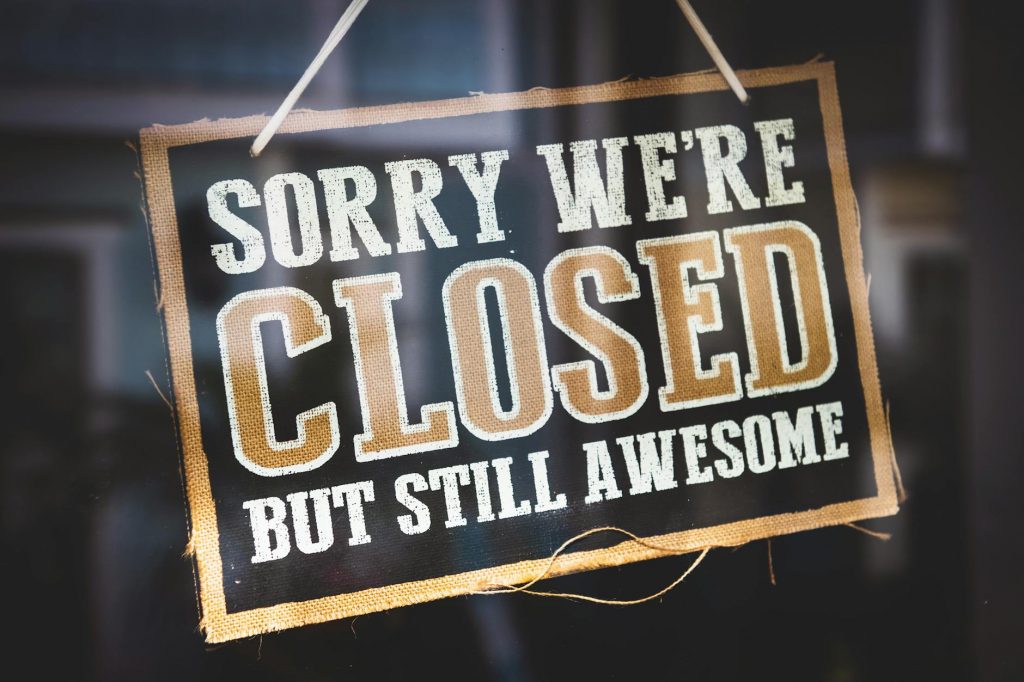
Why is the famous temple closing on Mahashivratri?
The Bhimashankar Temple in Pune district will remain closed on Mahashivratri this year. The district administration has issued an official order to keep the temple’s doors shut on this important day for Shiva devotees. This decision has left many pilgrims disappointed, as Mahashivratri is one of the most significant festivals in the Hindu calendar.
The closure order comes as a precautionary measure. Authorities are concerned about managing the massive crowds that typically gather at the temple during this festival. In previous years, lakhs of devotees have rushed to visit Bhimashankar, creating serious safety and crowd control challenges.
What’s Behind This Decision?
The Pune district administration took this step after assessing the situation carefully. They want to prevent potential accidents and stampedes that could happen when too many people gather in one place. The temple authorities and local officials decided that closing the shrine temporarily was the safest option for devotees.
This isn’t the first time a major temple has faced such restrictions. During the COVID-19 pandemic, many temples across India remained closed or allowed limited visitors. However, this closure is different—it’s specifically about crowd management, not disease prevention.
The decision affects not just local devotees but pilgrims who travel from across Maharashtra and neighboring states specifically to worship at Bhimashankar on this auspicious night. Many have already made travel plans and booked accommodations.
What Should Devotees Do Now?
If you were planning to visit Bhimashankar on Mahashivratri, you’ll need to change your plans. The administration hasn’t announced alternative dates when the temple will reopen with special ceremonies or prayers for those who miss this festival.
Many devotees are now looking at nearby Shiva temples as alternatives. In the Pune region, several other temples dedicated to Lord Shiva will be open for Mahashivratri celebrations with proper crowd management measures.
The temple authorities are expected to release more details about when normal darshan (viewing of the deity) will resume. Devotees should keep checking official announcements from the Pune district administration and the temple’s official channels.
This closure raises important questions about how India’s most popular religious sites can balance devotion with public safety. As more people travel to temples during festivals, managing crowds responsibly becomes crucial. The decision by Pune authorities might set a precedent for how other temples handle peak pilgrimage seasons.