
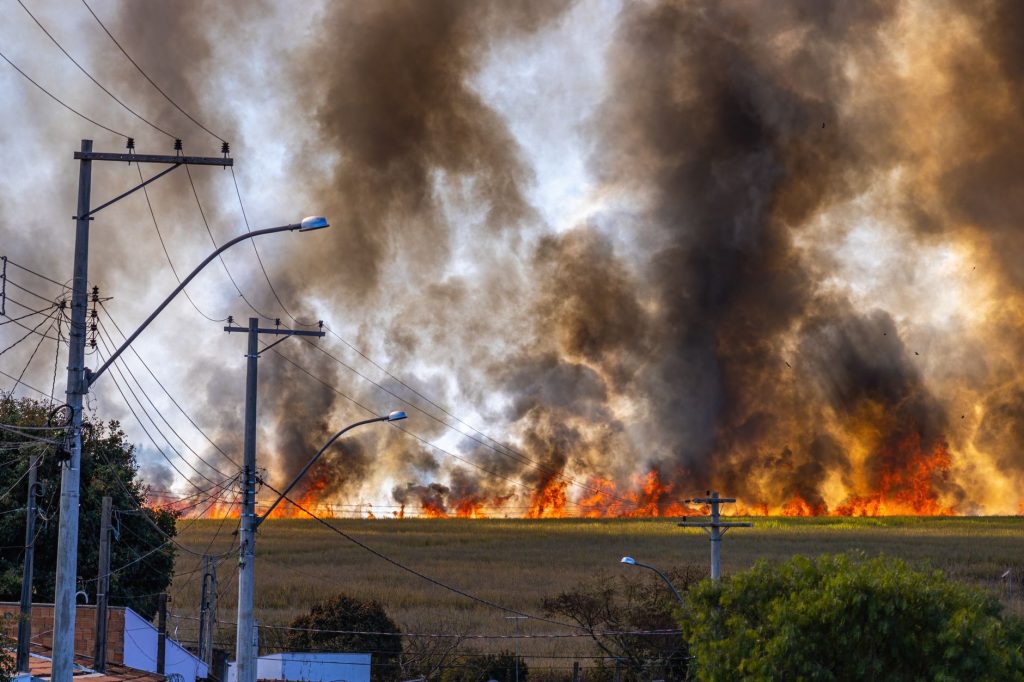
Imagine a scorching summer day back home in India, where the heat can be relentless. Now, picture vast swathes of forests turning into infernos, threatening homes and livelihoods. This isn’t just a distant problem; a similar, and even more intense, scenario is unfolding across Europe. For years, the European Union, often more recognized for its economic policies than its fire brigades, is finding itself at the forefront of a massive, continent-wide battle against increasingly ferocious wildfires.
This summer, the flames have been particularly unforgiving. From the Mediterranean coastlines to central Europe, wildfires have ravaged landscapes, forcing evacuations and pushing emergency services to their absolute limits. Faced with a crisis of this magnitude, the EU is stepping up its game, transforming from a passive observer to an active coordinator in this critical fight. What was once a national responsibility is rapidly becoming an all-of-Europe endeavour.
Shared Resources, Shared Danger
The sheer scale of the blazes means that individual countries, even those with well-equipped fire departments, are often overwhelmed. This is where the EU’s coordinated approach comes into play. Brussels is now actively mobilising a shared fleet of firefighting aircraft and deploying ground crews from member states to assist those worst affected. Think of it like different states in India pooling their resources during a major natural disaster – the principle is the same, but on a continental scale.
Beyond National Borders
The common European Civil Protection Mechanism is the engine driving this newfound unity. It allows for rapid deployment of resources and expertise when a country signals it needs help. This isn’t just about sending planes; it’s about sharing best practices, coordinating logistics, and ensuring a swift and effective response. Experts highlight that climate change is exacerbating these fire events, making them more frequent and intense. This necessitates a more robust and unified defence mechanism, one that transcends national boundaries and operates as a single, cohesive unit.
The implications for India are clear: as climate change continues to impact weather patterns globally, the need for collaborative disaster management becomes paramount. What Europe is doing now – pooling resources and coordinating efforts – offers valuable lessons for how nations can collectively tackle escalating environmental threats. The urgency of the situation is driving this evolution, proving that when the heat is truly on, unity can be the most powerful tool in the arsenal.