
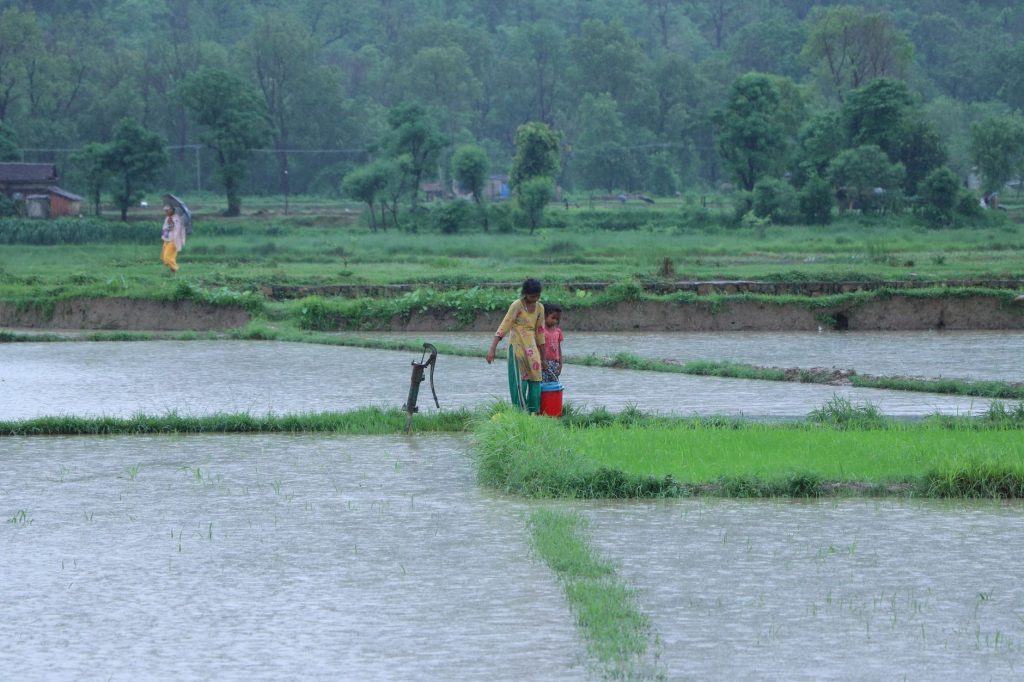
Imagine the relentless monsoon rains that disrupt life in our cities, the scorching heatwaves that make even a short walk unbearable, or the flash floods that sweep away homes and livelihoods. For many of us in India, these are not abstract future threats but present realities, amplified by a changing climate. Now, picture a nation, nestled in the majestic Himalayas, a country that contributes virtually nothing to global carbon emissions, yet finds itself on the frontlines of climate catastrophe. This is the stark reality for Nepal, where its young generation is stepping up to demand accountability from the world’s biggest polluters.
The Glaciers Cry Out
Nepal, often hailed for its breathtaking mountain landscapes and its negligible carbon footprint, is facing an existential crisis. Its famed Himalayan glaciers, the source of major rivers that sustain millions across South Asia, are melting at an alarming rate. This isn’t just about a picturesque view disappearing; it’s about the very real threat of glacial lake outburst floods (GLOFs), landslides, and changes in river flows that could trigger devastating consequences for communities downstream, including in India. The country’s young population, inheritors of this fragile environment, are no longer willing to stand by and watch. They are raising their voices, demanding that richer nations, historically responsible for the bulk of greenhouse gas emissions, acknowledge their role and provide financial and technological support to mitigate the damage.
A Voice for the Vulnerable
Nepal’s government, significantly influenced by its youthful demographic, is taking a bold stance on the international stage. They are calling for climate reparations, a concept that seeks compensation from developed countries for the climate damage they have caused to vulnerable nations. This isn’t an act of charity they are asking for, but a matter of climate justice. The argument is simple: nations that have benefited the most from industrialization, often at the expense of the environment, have a moral and ethical obligation to help those who are suffering the most from its consequences, despite having contributed the least. This push for reparations is a powerful statement, highlighting the inherent unfairness of the current climate crisis, where the most impacted often have the fewest resources to adapt.
Expert Perspective on Climate Equity
“This is a critical moment for global climate diplomacy,” says Dr. Anya Sharma, a climate policy analyst based in Delhi. “Nepal’s initiative reflects a growing frustration among developing nations that have been disproportionately affected by climate change. The concept of ‘loss and damage’ has been a contentious issue at climate summits for years, but the urgency amplified by events like glacial melt in the Himalayas makes it impossible to ignore. For India, understanding Nepal’s position is crucial, as we share the same water sources and face similar climate vulnerabilities. Supporting Nepal’s call for accountability is not just about solidarity; it’s about safeguarding our own future and ensuring a more equitable global response to the climate emergency.” The coming years will likely see this demand for reparations gain more traction as the impacts of climate change become undeniable for nations like Nepal.