
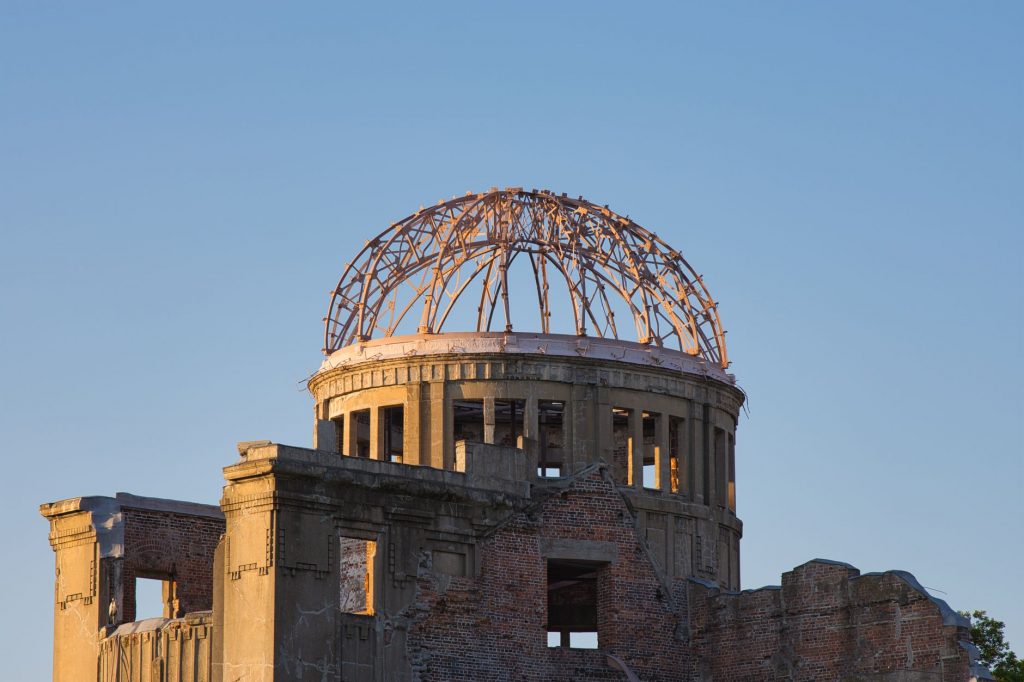
Imagine centuries of human history, art, and faith reduced to rubble in mere moments. This is the brutal reality unfolding across the globe as conflicts rage, turning priceless cultural heritage sites into collateral damage. From ancient ruins to sacred places, the very fabric of our shared human story is being systematically torn apart, sparking outrage and a desperate call for accountability.
The Silent Victims of Conflict
The ongoing wars and skirmishes, often fueled by political or ideological divides, are leaving an indelible mark not just on human lives but also on the tangible legacy of past civilizations. These aren’t just old buildings; they are repositories of knowledge, artistic expression, and spiritual significance that have shaped societies for generations. The deliberate targeting or neglect of these sites during armed conflicts is a profound loss, akin to erasing chapters from humanity’s collective memory. Activists and heritage custodians, often working under perilous conditions, are documenting these atrocities, piecing together evidence to hold perpetrators responsible.
A Global Uprising for Heritage
Across continents, a growing chorus of voices is rising against this cultural vandalism. Experts, international organizations, and local communities are banding together, employing a range of strategies. Some are focused on immediate preservation efforts, attempting to safeguard artifacts and structures from further harm. Others are dedicated to documenting the destruction, creating digital archives and gathering evidence for potential war crimes tribunals. This movement is not just about saving stones and mortar; it’s about defending the very identity and continuity of cultures, ensuring that future generations can learn from and connect with their past.
The destruction of cultural heritage is not a new phenomenon, but the scale and intensity seen in recent conflicts are alarming. It represents a deliberate attempt to erase identity, to sever communities from their roots, and to inflict deep psychological wounds. The international community is grappling with how to effectively protect these vulnerable sites and prosecute those responsible for their destruction, facing challenges in enforcement and political will.
For us in India, this resonates deeply. Our own rich tapestry of history, dotted with UNESCO World Heritage Sites and countless other monuments of immense cultural value, is a source of national pride. The thought of such treasures being imperiled by conflict elsewhere serves as a stark reminder of their fragility. It underscores the importance of global cooperation in safeguarding heritage and strengthens the resolve of many Indians who believe that protecting our shared past is a moral imperative, a fight for justice that transcends borders.