
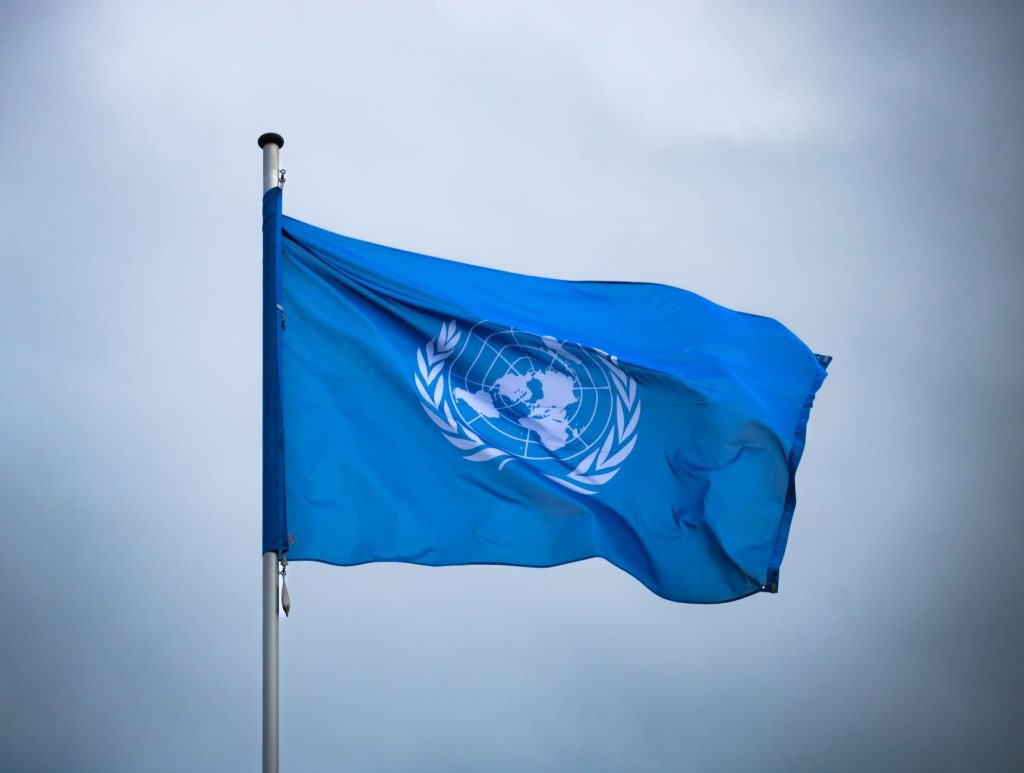
Is the United Nations, the world’s premier body for peace and cooperation, losing its ability to do its job? That’s the worrying question on many minds after Turkish President Recep Tayyip Erdogan voiced serious concerns about the UN’s effectiveness before a global audience.
Speaking at a high-level forum, President Erdogan didn’t hold back. He expressed deep disappointment, stating that the UN is struggling to fulfill its core mission of maintaining international peace and security. According to him, the current global challenges are simply too big for the UN as it stands today. He pointed out that when conflicts arise and people suffer, the UN often seems powerless to intervene effectively, leading to a sense of helplessness among many nations.
Why is the UN Falling Short?
President Erdogan’s critique didn’t just stop at identifying the problem; he also hinted at the reasons behind it. He suggested that the UN’s current structure and decision-making processes might be outdated, making it difficult to respond quickly and decisively to crises. Think of it like an old car trying to keep up with modern traffic – it might struggle to navigate the complexities of today’s world. He implied that the voices of many nations are not being heard equally, and that a lack of consensus among powerful countries often paralyzes the UN’s ability to act, leaving vulnerable populations in dire situations.
Erdogan’s Call for Reform
The Turkish leader’s remarks are a significant call to action for global leaders. He is essentially saying that the UN needs a serious overhaul if it is to remain relevant and capable of addressing the pressing issues of our time, from wars and humanitarian crises to climate change and economic instability. His statement is a stark reminder that without a strong and functional UN, the world risks becoming a more chaotic and less secure place. This is particularly relevant for countries like India, which often rely on international cooperation to tackle complex global problems and advocate for the needs of developing nations.
President Erdogan’s lament before the world’s leaders highlights a growing frustration with the status quo. It raises crucial questions about how we can strengthen international institutions to better serve humanity. The coming months will be critical to see if these words translate into concrete steps towards reforming the UN and ensuring it can truly live up to its founding ideals of peace, security, and cooperation for all.