
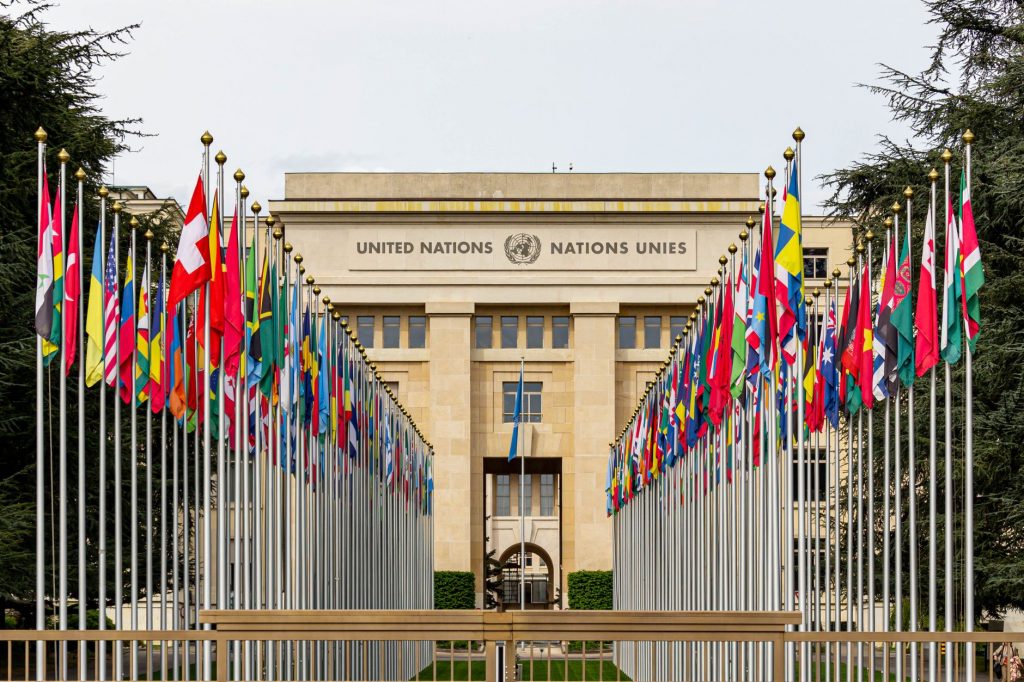
Imagine a situation where a neighbourhood dispute escalates dramatically, and one person decides to take drastic action, claiming it was for everyone’s safety. Something similar is playing out on the global stage. At a recent United Nations gathering, US President Donald Trump addressed world leaders, and a significant part of his speech was dedicated to explaining – and defending – his decision to initiate military action against Iran.
Defending the Strike
Trump told the assembled dignitaries that the recent US strike, which resulted in the death of a top Iranian general, was a necessary step to prevent a larger conflict. He argued that Iran was a threat, and this action was taken to stop potential attacks and ensure peace. He presented it as a pre-emptive move, akin to stopping a fire before it spreads throughout the building, and asserted that the world is a safer place because of it.
Global Reactions and Concerns
While Trump presented his case, it’s important to remember that such actions often draw varied reactions from other countries. Many nations at the UN are wary of escalating tensions in the Middle East, a region crucial for global oil supplies and home to millions. They often prefer diplomatic solutions and are concerned about the potential for a wider war that could destabilize the entire region and impact economies worldwide, including India’s.
Expert View: A Delicate Balance
According to international relations experts, Trump’s address highlights the complex balancing act leaders face. While a nation might feel justified in taking decisive action to protect its interests, the ripple effects can be far-reaching. The UN forum is where countries try to find common ground, but sometimes, as seen here, sharp disagreements emerge. The challenge is to manage these tensions without triggering a full-blown conflict that no one truly wants, especially in a interconnected world where instability in one region affects many others.