
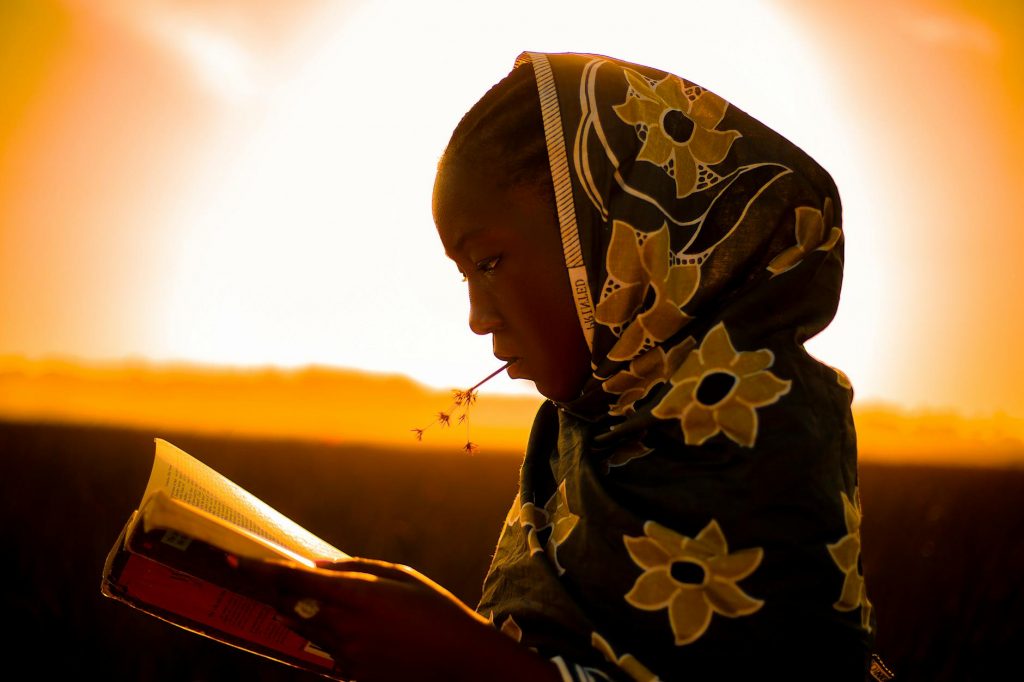
Picture this: You’re scrolling through job listings on your phone, and almost everything requires at least basic reading skills. For 8.3% of Maharashtra’s population, that simple act remains out of reach. But here’s the thing—Maharashtra is actually doing better than most Indian states when it comes to literacy rates, and that’s worth talking about.
Where Maharashtra Stands
Maharashtra has managed to keep its illiteracy rate relatively low compared to the national average. While the state still has millions of people who can’t read or write, the numbers show steady progress over the years. The state’s push toward universal education is clearly having an impact, even if there’s still a long road ahead.
What makes this interesting is that Maharashtra isn’t just sitting back. Urban centers like Mumbai and Pune have nearly eliminated illiteracy, but rural pockets still struggle. The state government has been working on bridging this gap, though challenges remain in remote villages and among migrant communities.
Why This Still Matters
You might think 8.3% sounds small. But that’s roughly 8-9 million people in Maharashtra alone who face real barriers—from accessing healthcare information to understanding their legal rights, from getting better jobs to simply reading a medicine bottle’s instructions correctly.
The illiteracy issue disproportionately affects women and marginalized communities. Women make up a larger chunk of the illiterate population, particularly in rural areas where traditional attitudes toward girls’ education still persist in some pockets.
Illiterate adults often can’t help their kids with homework, creating a cycle that’s hard to break. Their children are more likely to drop out of school, perpetuating poverty and limited opportunities.
What Experts Say
Education specialists point out that Maharashtra’s relatively better position comes from sustained investment in school infrastructure and teacher training over decades. The state has higher enrollment rates and better school attendance compared to many other regions.
However, experts caution that we shouldn’t celebrate too early. Adult literacy programs need massive scaling up. Many people still fall through the cracks—especially migrants, daily wage workers, and those in informal settlements who don’t have consistent access to education centers.
The silver lining? Maharashtra has proven that focused efforts work. States with similar or worse starting conditions have improved dramatically through targeted programs. The question now is whether the state can replicate this success in the remaining 8.3%, particularly in underserved communities.
As India aims to be a truly literate nation, Maharashtra’s experience offers a blueprint—and a reminder that the real work happens at the grassroots level, one classroom and one learning center at a time.