
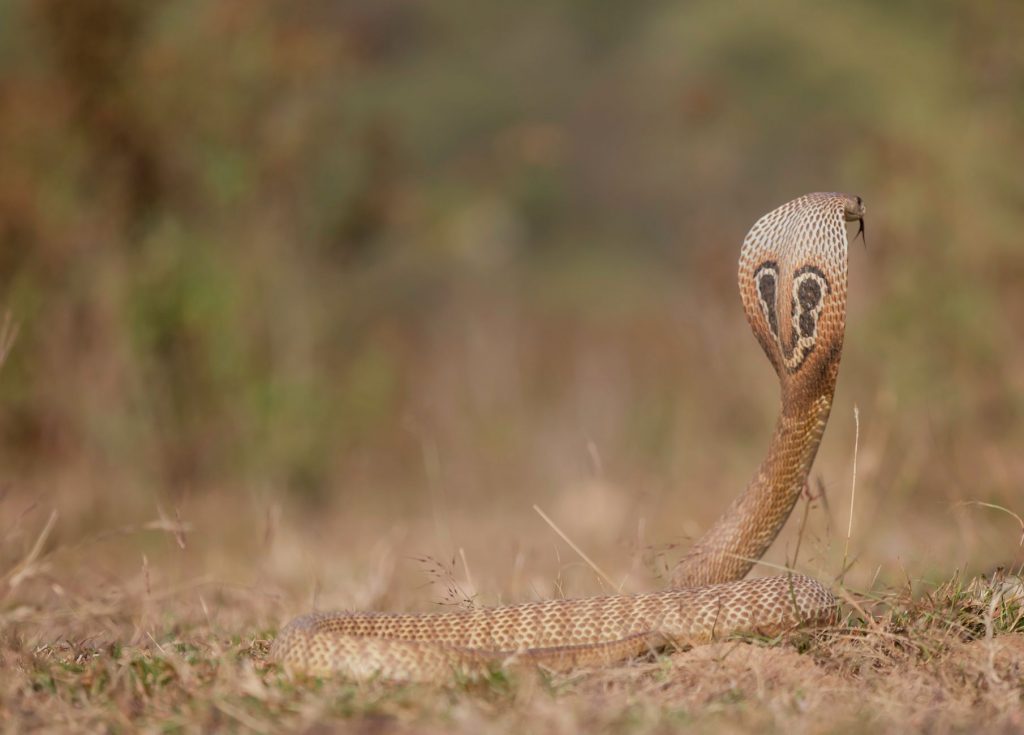
In a chilling development that has sent ripples through India’s scientific and public health communities, researchers have for the first time officially documented human fatalities attributed to the Caspian cobra (Naja oxiana) within the country. This revelation, detailed in a recent scientific publication, marks a significant turning point, highlighting a venomous threat previously not considered a direct cause of death on Indian soil.
For decades, the Caspian cobra was known to inhabit regions bordering India, particularly in parts of Central Asia. However, its presence and potential to inflict fatal bites on humans within India were largely theoretical or unconfirmed. This new research provides concrete evidence, based on rigorous scientific investigation and case studies, that this formidable serpent is indeed responsible for at least a few tragic deaths in India, likely in border regions where its natural habitat might overlap with human settlements.
Unmasking a Silent Threat
The study meticulously details the circumstances surrounding these documented fatalities, shedding light on how this species might be expanding its reach or how interactions with humans are becoming more frequent. Experts suggest that factors such as habitat encroachment, climate change, and increased human activity in fringe areas could be contributing to these encounters. The venom of the Caspian cobra is potent, known to cause severe neurotoxic effects, and the lack of specific antivenom tailored for its venom in India could be a critical factor in the mortality rates observed.
Implications for Public Health and Awareness
This finding carries substantial implications for India. It necessitates a re-evaluation of snakebite management protocols, particularly in areas bordering the Caspian cobra’s known range. Public awareness campaigns will need to be updated to include this species, educating communities about its identification, potential risks, and crucial first-aid measures. Furthermore, it calls for enhanced research into the venom composition and the development of more effective antivenoms that can address a broader spectrum of cobra envenomations prevalent in India. The documented deaths serve as a stark reminder of the dynamic nature of biodiversity and the ever-evolving challenges in human-wildlife coexistence.