
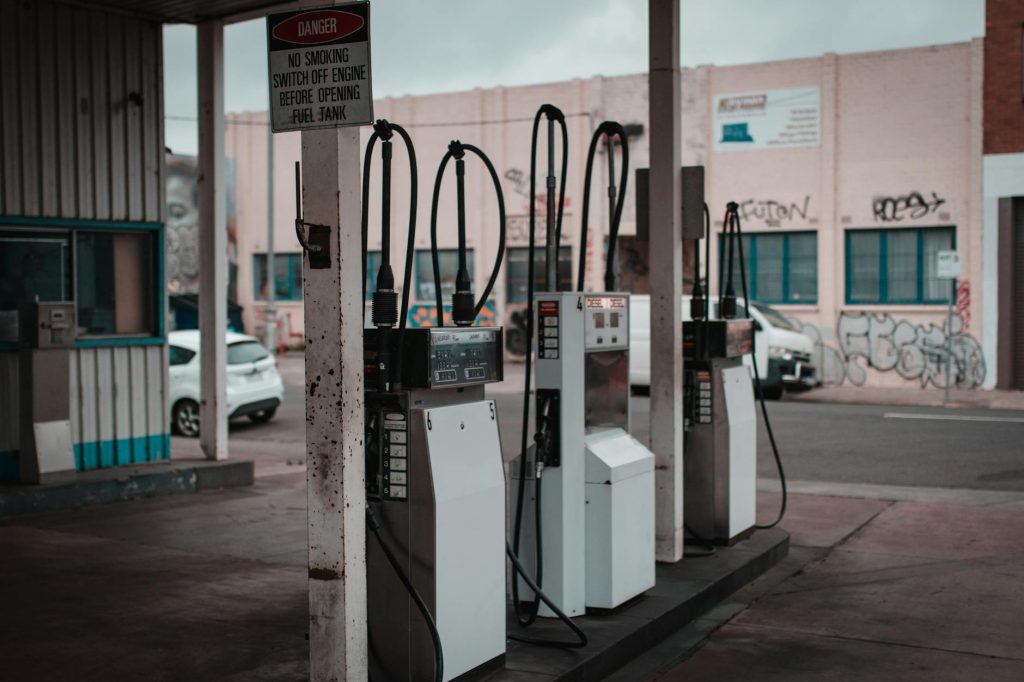
Chandigarh just made a big decision that will change where you can buy alcohol. The city administration has approved a new policy allowing liquor shops to open inside petrol pumps and shopping malls for the first time.
This is a significant shift from the old rules that kept alcohol shops separate and confined to specific areas. Now, instead of hunting for a standalone liquor store, you might find one right next to the fuel counter or while shopping for groceries at your local mall.
How This Changes Things
The new policy aims to streamline the liquor retail business in Chandigarh. By allowing shops inside established commercial spaces, the administration hopes to improve regulation and make operations more organized.
For petrol pump owners, this opens a new revenue stream. Many fuel stations across the country already offer convenience items—now Chandigarh is following a similar model. Malls will also benefit from additional foot traffic and revenue opportunities.
From a consumer perspective, the convenience factor is obvious. You won’t need to make separate trips to dedicated liquor stores. However, this also means more accessibility, which has raised some concerns among health and social welfare groups about increased consumption patterns.
What Happens Now
The approval is just the first step. The administration will need to work out specific details—like how many shops can operate, licensing fees, operating hours, and proximity rules to schools and hospitals.
Chandigarh isn’t the first to try this model. Several states have experimented with similar policies, with mixed results. Some saw better tax collection and reduced black-market sales, while others struggled with enforcement and regulatory challenges.
The real test will be implementation. How strictly will the city enforce age verification? Will there be restrictions on promotional activities? These questions will shape how the policy actually works on the ground.
For regular consumers in Chandigarh, this policy means convenience but also calls for responsible behavior. For the administration, it’s a balancing act between economic benefits and social responsibility.
The policy approval signals that Indian cities are willing to experiment with retail models that other countries have already adopted. Whether Chandigarh’s experiment succeeds could influence how other Indian cities approach liquor retail in the coming years. All eyes will be on how this rolls out over the next few months.