
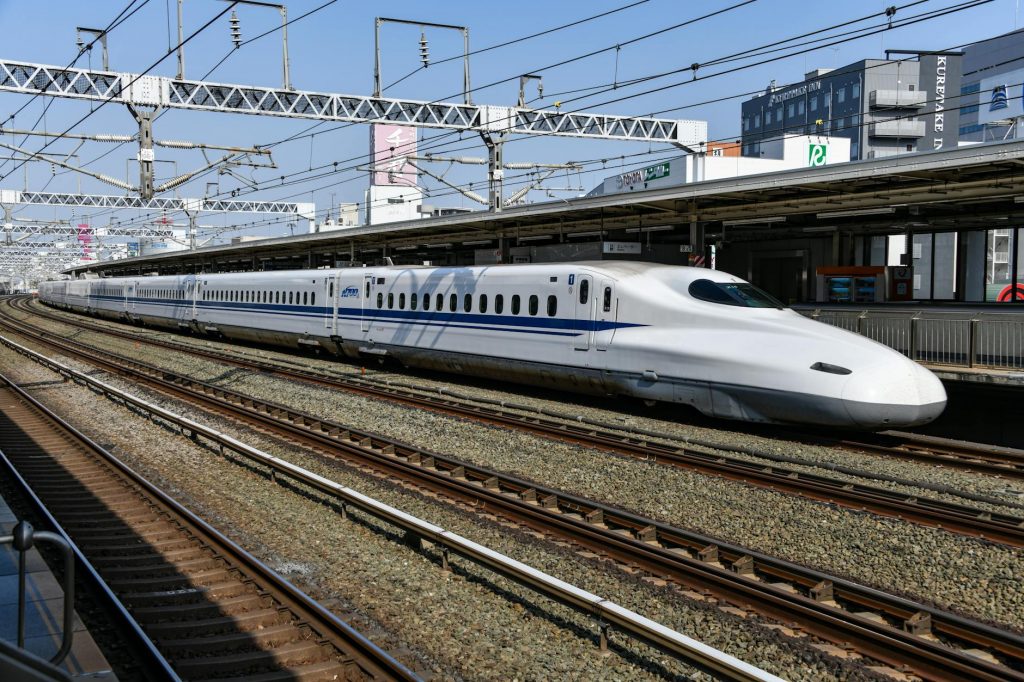
What’s the government actually doing for Uttar Pradesh? The latest budget has thrown its weight behind the state with nearly Rs 92,000 crore in infrastructure projects and two brand new bullet train corridors. This isn’t just money on paper—it’s concrete projects that will reshape how people move and work across the country’s most populous state.
The Big Picture: What’s Coming to UP
The budget allocation focuses on two major areas. First, the government is pushing Rs 92,000 crore worth of development projects across various sectors. Second, and more exciting for commuters, are two new high-speed rail corridors that will connect major cities in UP.
These bullet trains aren’t just about speed. They’re about reducing travel time between cities, boosting economic activity, and creating jobs. One corridor will link important UP cities, making it easier for business travel and daily commutes. The second route targets another key region of the state.
Why This Matters for You
If you live in UP or travel there regularly, these projects will directly affect your life. Faster train connections mean less time stuck in traffic and fewer delayed journeys. The Rs 92,000 crore in other projects covers roads, airports, power infrastructure, and water systems—basically the backbone of any modern state.
The economic angle is significant too. Better infrastructure attracts businesses and investments. Companies are more likely to set up operations in regions with good connectivity. For job seekers, this could mean more employment opportunities beyond agriculture and small trades.
The bullet train projects are particularly important because they put UP on par with other developed regions in India. Currently, only a few states have high-speed rail connectivity. This upgrade signals that the government is serious about making UP a major economic hub, not just a political powerhouse.
Construction timelines haven’t been officially announced yet, so don’t expect these trains to start running tomorrow. These are multi-year projects that typically take five to seven years from groundbreaking to operation. But once they’re live, commuters between UP’s major metros could be traveling at speeds exceeding 300 km/hour.
The Rs 92,000 crore allocation across other sectors will also transform smaller towns and villages. Roads connecting rural areas to urban centers, improved power supply, and better water systems create a multiplier effect on local economies.
What happens next depends on execution. Budget announcements sound impressive, but real change depends on project management, timely fund disbursement, and avoiding the typical delays that plague Indian infrastructure projects. UP’s development story is just beginning to take shape, and these projects could be the turning point the state needs.