
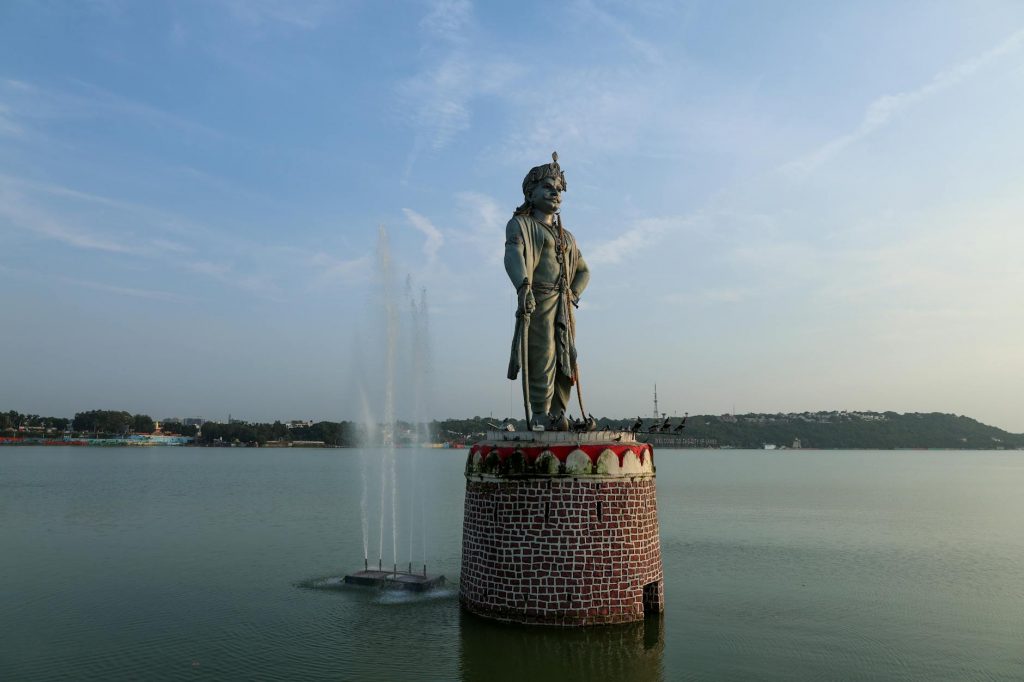
Bhopal is experiencing warmer weather than usual, with daytime temperatures crossing the 30-degree Celsius mark. What’s more unusual is that the nights have become about one degree warmer compared to previous years, breaking the normal cooling pattern residents expect after sunset.
Why This Matters for Your Daily Life
When both day and night temperatures stay high, your body doesn’t get relief even after the sun sets. This means more people will rely on fans and air conditioning throughout the night, which directly impacts your electricity bills. The warmth also affects water availability since more people tend to use water for cooling purposes.
Warmer nights are particularly tough for children, elderly people, and those with health conditions. They struggle to sleep comfortably, which affects their overall well-being and work productivity the next day.
What’s Causing These Temperature Changes
This isn’t just a random spike. Urban areas like Bhopal experience what experts call the ‘heat island effect’—concrete buildings, roads, and reduced green spaces absorb and retain more heat. When you combine this with seasonal warming patterns, temperatures tend to climb higher than surrounding rural areas.
The warmer nights specifically suggest that heat is getting trapped in the atmosphere and not escaping as quickly as it should. Climate patterns and reduced rainfall in recent months also contribute to this trend.
What You Should Do Right Now
Keep yourself hydrated throughout the day and night. Drinking plenty of water helps your body regulate its temperature naturally. Switch to light cotton clothing that allows your skin to breathe, especially during the day.
At night, use a fan strategically to create air circulation rather than keeping yourself completely enclosed. If you have an AC, set it a few degrees higher than your comfort level—this saves money while still keeping you cool enough to sleep.
Children and elderly family members need extra attention. Make sure they’re drinking enough water and resting in cooler areas of your home during peak heat hours.
Looking Ahead
Weather patterns suggest these temperatures might continue for the next few weeks before monsoon arrives and brings relief. The Meteorological Department will likely issue heat advisories, so keep an eye on local weather updates on your phone.
If this warming trend continues, it could reshape how cities plan cooling centers and public spaces for the future.