
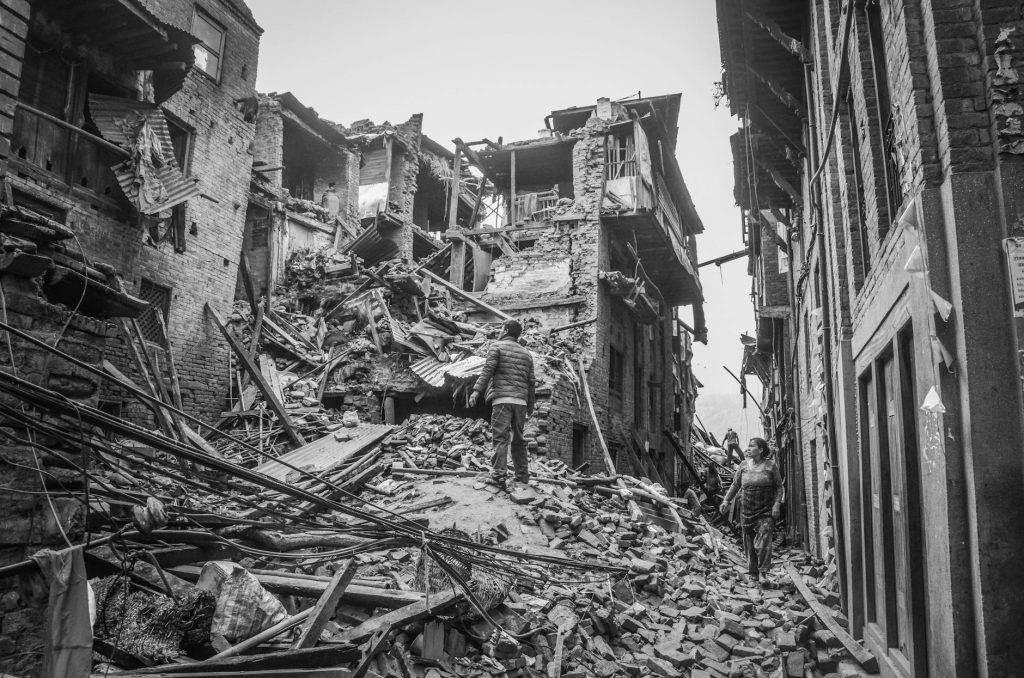
Rajasthan woke up to some unexpected tremors recently when a 3.5 magnitude earthquake hit the Sikar district. While it might sound alarming, here’s the thing — earthquakes of this magnitude are actually pretty common across India, and rarely cause any serious damage or injuries.
The quake was strong enough for people to feel it, which is why you might have noticed your phone vibrating or seen posts about it on social media. But in the grand scheme of things, a 3.5 magnitude tremor sits right in that sweet spot where it’s noticeable without being dangerous. For context, earthquakes below 5.0 magnitude typically don’t cause structural damage to buildings.
Why Does Rajasthan Experience Earthquakes?
You might be wondering why Rajasthan gets hit by earthquakes when it’s not exactly on a major fault line like Kashmir or the Himalayas. The truth is, India’s entire northern and central regions sit on several fault zones beneath the surface. Even though Rajasthan isn’t considered a high-risk seismic zone, occasional tremors do happen.
The Indian subcontinent is constantly shifting due to tectonic plate movements happening deep underground. These movements might seem dramatic in geological terms, but most of the time they’re so slow we don’t even notice. Every now and then, though, they release energy suddenly — that’s when we feel an earthquake.
What This Means for You
If you’re living in or around Sikar, there’s really no need to panic. Seismologists monitor these events closely, and authorities are well-equipped to respond to any emergencies. Most Indians living in lower-risk zones like Rajasthan don’t need to take extra precautions beyond the standard earthquake safety measures that apply everywhere.
That said, it’s always smart to know the basics. If you ever feel the ground shaking, drop to the ground, cover your head, and stay there until the shaking stops. Avoid standing near windows or heavy objects that could fall. These simple steps can make a real difference.
The bigger picture here is that India’s meteorological and earthquake monitoring systems are getting better every year. We now have more sensors, faster alert systems, and better data sharing between states. This means when tremors do hit, we know about them quickly, and we can respond faster if needed.
Earthquakes like the one in Sikar remind us that nature’s forces are always at work beneath our feet, even when we can’t see them. But thanks to modern science and preparedness, we’re much better equipped to handle them than ever before. Keep an eye on official alerts from your local authorities, but otherwise, life goes on as usual in Rajasthan.