
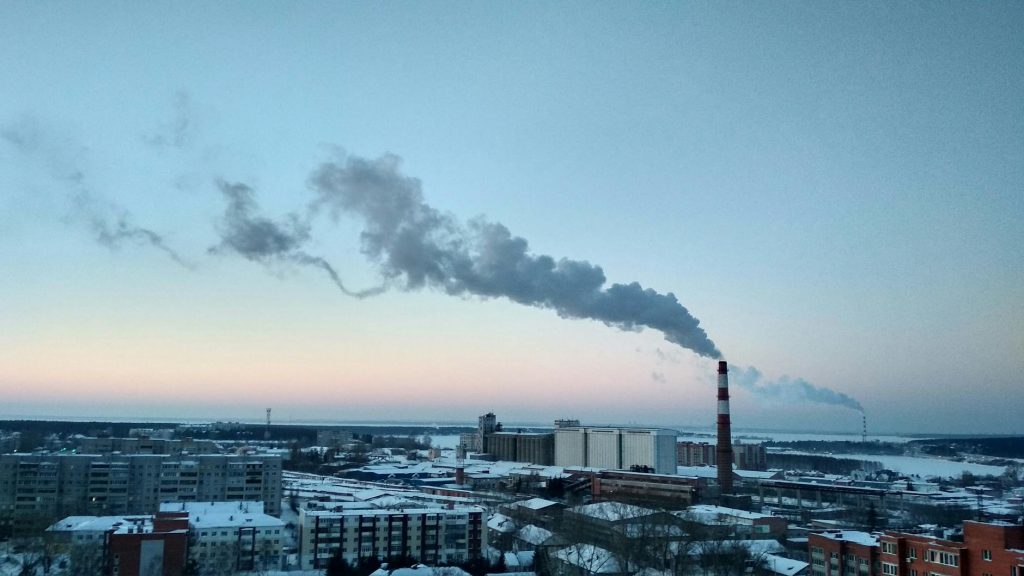
Is Lucknow’s air quality really that bad? Yes — our city has now been ranked among the 58th most polluted places on Earth, a sobering reminder that air pollution isn’t just a Delhi problem anymore.
The Uttar Pradesh capital joins a growing list of Indian cities grappling with hazardous air quality levels. Winter months have traditionally been the worst, but recent data shows pollution peaks are becoming more frequent and stubborn throughout the year.
Why Is Lucknow’s Air Getting Worse?
Several factors are pushing Lucknow’s pollution numbers up. Construction dust from ongoing infrastructure projects, vehicle emissions from increasing traffic congestion, and stubble burning in neighbouring Punjab during autumn create a toxic cocktail of pollutants.
The Gomti river, which once was a natural air purifier for the city, is struggling under industrial discharge and urban waste. With rapid urbanisation and limited green cover expansion, the city’s natural defenses are weakening.
Power generation from coal-fired plants in the region and diesel generators from small industries add another significant layer to the problem. During winter, when atmospheric conditions trap pollutants closer to the ground, visibility drops dramatically and respiratory cases spike in hospitals.
What Does This Mean for Lucknow’s Residents?
For families living here, the rankings translate into real health risks. Children, elderly people, and those with existing respiratory conditions face the most serious threats. School authorities have started implementing pollution-related holidays during peak winter months, disrupting academic calendars.
Property values in low-pollution pockets command premium prices as awareness grows. People are investing in air purifiers and N95 masks — items that were rarely discussed in Lucknow five years ago.
The mental health impact is equally concerning. Anxiety about air quality influences lifestyle choices, outdoor activity levels, and long-term migration decisions among young professionals.
State and municipal authorities have announced several measures including tree-planting drives, stricter emission norms for vehicles, and surveillance of industrial emissions. However, implementation remains patchy across different areas.
Creating more green spaces, enforcing construction guidelines strictly, and pushing cleaner energy adoption will take years to show measurable results. Meanwhile, citizens are taking personal precautions — tracking air quality apps have become essential tools rather than novelties.
The ranking should push both policymakers and residents to act urgently, because waiting for the government alone won’t clean our air.