
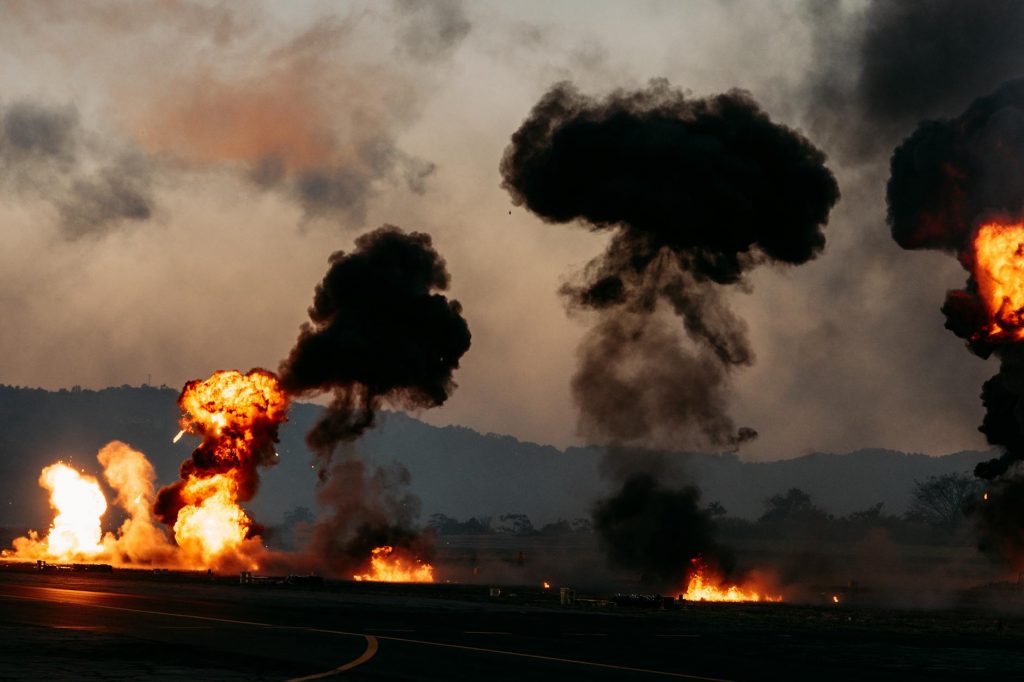
Imagine a normal workday turning into a nightmare in seconds. That’s what happened at an explosives manufacturing facility in Nagpur district when a massive blast ripped through the premises, claiming 18 lives and leaving 24 others injured. The explosion was so intense that many victims couldn’t be identified through conventional means — a grim reminder of how dangerous industrial accidents can be.
The incident unfolded at a factory that produces explosives, likely used for mining and construction work across India. Rescue teams rushed to the spot after receiving distress calls, but the scale of destruction made their work incredibly challenging. Many workers were trapped under debris, and the fire that followed the initial blast made rescue operations even more difficult.
What we know so far
Emergency responders from nearby areas responded quickly, but the casualties were already significant by the time help arrived. The injured were rushed to government hospitals in the region for treatment. Doctors reported that some victims suffered severe burn injuries from the explosion and subsequent fire.
The factory, which operated in an industrial zone, raises questions about safety protocols and regular inspections. Explosives manufacturing requires strict adherence to safety standards — from proper ventilation to regular equipment maintenance to worker training. Any lapse in these areas can turn a workplace into a death trap.
Why these accidents happen
India’s industrial sector runs on tight schedules and often faces pressure to meet production targets. Sometimes, this urgency leads to corners being cut on safety measures. A single spark, a mechanical failure, or improper handling of explosive materials can trigger catastrophic incidents like this one.
These factories are typically located near mining regions or industrial areas where they’re meant to serve local economic needs. The workers here are often from modest backgrounds, taking up dangerous jobs because they need the income. They depend on their employers to provide safe working conditions.
Factory accidents like these highlight a persistent challenge in India’s industrial sector. While regulations exist on paper, enforcement remains inconsistent across states. Some factories invest heavily in safety infrastructure, while others operate with minimal precautions.
Authorities will likely launch an investigation to determine the exact cause of the explosion. This will probably involve checking maintenance records, interviewing surviving workers, and reviewing safety compliance documents. Such inquiries often reveal a chain of oversights rather than a single catastrophic error.
The real question now is whether this tragedy will push for stricter safety audits at similar facilities across the country. Workers’ families will need support, injured survivors will require rehabilitation, and the community will process this loss. Industrial safety isn’t just about rules — it’s about valuing human lives in our pursuit of economic growth.