
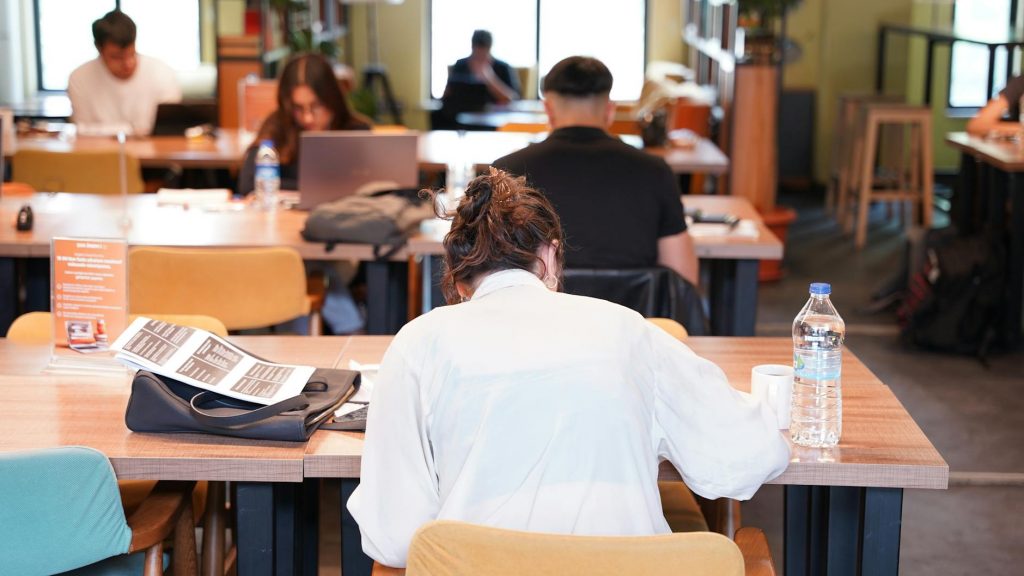
In an unusual twist born out of necessity, civil service aspirants in Nagpur have discovered a quiet sanctuary for their studies inside a local crematorium. What would normally seem like an unconventional choice has turned into a surprisingly productive arrangement for students preparing for India’s most competitive exam.
Why a Crematorium Works as a Classroom
The crematorium’s peaceful atmosphere, away from the noise and distractions of busy coaching centers, offers something precious to IAS candidates—uninterrupted study time. During off-hours, the premises provide a serene environment where students can focus on their preparation without the chaos typical of crowded coaching institutes.
For students from modest backgrounds, finding affordable study spaces in metro cities is a constant struggle. This crematorium arrangement costs them virtually nothing, making quality preparation accessible without burning a hole in their pockets.
The management has been supportive of this arrangement, recognizing that the space serves a greater social purpose. Several students have reported improved concentration and better retention of study material in this calm setting.
A Story of Grit and Innovation
This isn’t just about finding a study spot—it reflects the determination of India’s IAS aspirants who will leverage any opportunity to crack one of the world’s toughest exams. The UPSC civil services exam attracts over 10 lakh candidates annually, with only a few thousand making it through.
What started as a small group of dedicated students has grown into a loose community. They follow basic protocols, maintain cleanliness, and respect the premises while pursuing their dreams of becoming civil servants.
Teachers and mentors have also acknowledged that this unconventional setup sometimes produces better results than traditional coaching centers. The solemnity of the surroundings perhaps reminds students of the gravity of their endeavor.
The story has caught attention beyond Nagpur, with similar experiments being discussed in other cities where students face accommodation challenges. It shows how creative problem-solving can emerge when conventional options fall short.
As these students continue their preparation, their journey reminds us that determination and resourcefulness often matter more than fancy study centers or expensive coaching. Whether they eventually clear the exam or not, their ability to find focus in unlikely places is itself a lesson in adaptability—a quality every civil servant needs.