
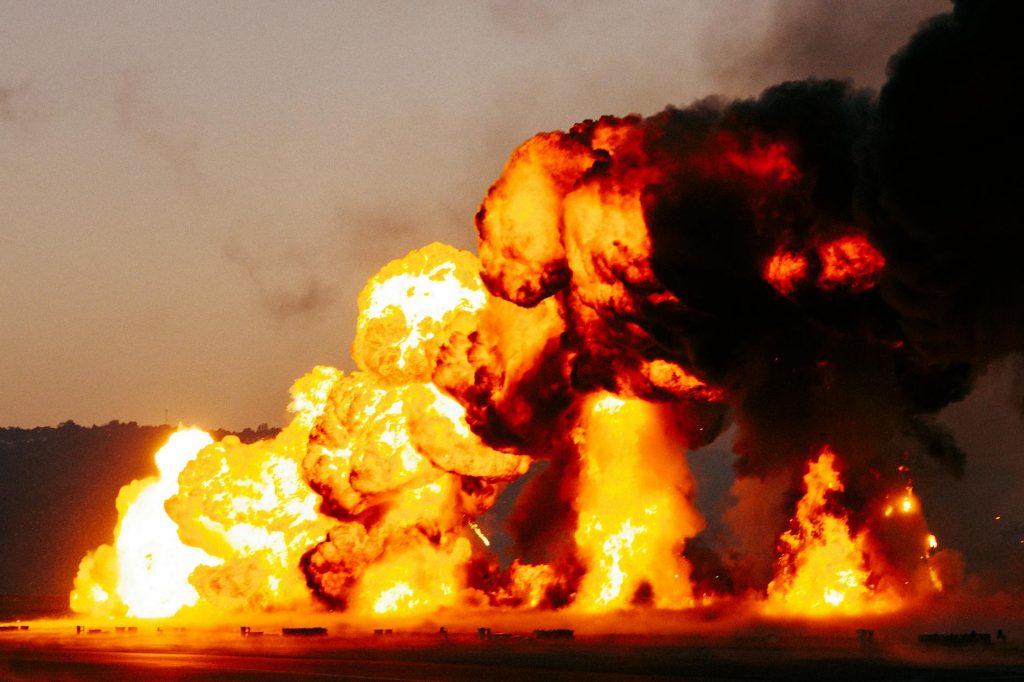
Massive blast rocks Nagpur explosives facility
A devastating explosion at an explosives manufacturing unit in Nagpur, Maharashtra has claimed 19 lives, leaving the industrial community reeling. The blast occurred at a facility that handles sensitive materials, raising serious questions about safety protocols and worker protection.
The incident unfolded without warning, catching workers off guard at what was supposed to be a routine day at the unit. Emergency responders rushed to the scene, but the scale of the explosion made rescue operations challenging.
Safety lapses under scrutiny
Maharashtra’s industrial minister has already pointed fingers at negligence as the likely cause. Initial investigations suggest that proper safety procedures may not have been followed, or critical maintenance checks were overlooked.
This doesn’t mean the investigation is complete. Authorities are still gathering evidence, interviewing survivors, and examining equipment to understand exactly what triggered the catastrophic failure. The blame game aside, the focus right now is on getting answers.
For families of the deceased workers, this is a tragedy that could have been prevented. Most workers in India’s explosives sector are not adequately compensated for the risks they take on the job.
What this means for worker safety
This blast is a wake-up call for industrial facilities across India. Companies handling hazardous materials operate under strict government guidelines, but enforcement remains patchy. Regular inspections, updated safety equipment, and proper worker training aren’t always guaranteed.
Workers in these high-risk industries often lack bargaining power. They accept dangerous conditions because better-paying jobs are hard to find. Compensation for workplace accidents, when it comes, is frequently delayed or inadequate.
The Nagpur incident will likely trigger fresh audits of similar facilities nationwide. The government may tighten regulations, and inspectors will probably conduct surprise visits to explosives units across Maharashtra and beyond.
But regulation alone won’t prevent future tragedies. Companies need to invest in safety culture—training workers to identify hazards, maintaining equipment properly, and creating an environment where workers can report problems without fear of losing their jobs.
For Indian workers in hazardous industries, this blast is a grim reminder of the real risks they face daily. Better enforcement, stronger safety standards, and genuine accountability for negligent operators could save lives going forward.