
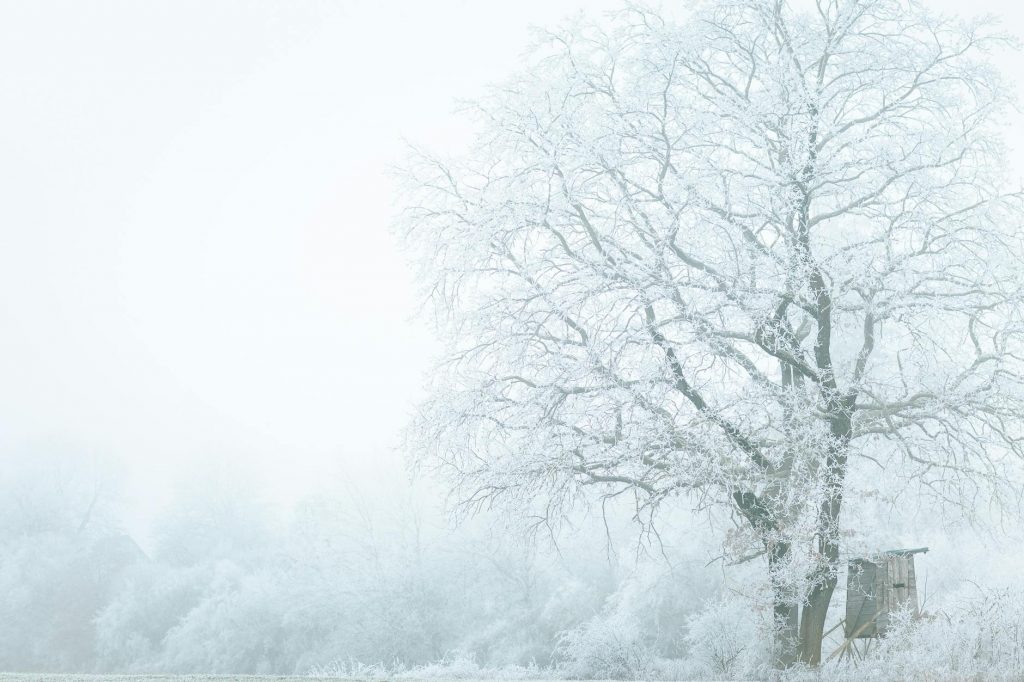
If you’ve stepped outside in Chandigarh or Punjab these past few mornings, you know exactly what we’re talking about. That bone-chilling cold that makes you reconsider your life choices before 9 AM. The region just hit a minimum temperature of 6.9 degrees Celsius, and it’s only getting more intense as winter settles in properly.
Dense fog has rolled across Punjab and Haryana like an unwelcome guest who refuses to leave. Visibility has dropped so badly that morning commutes have become genuinely risky — schools are considering delayed openings, and highway accidents have already picked up pace. If you’re driving to work or sending kids to school, extra caution isn’t just advice anymore; it’s survival.
Why Is It Getting So Cold and Foggy?
Winter in North India follows a predictable pattern. Cold winds from the Himalayas push down into the plains, temperatures drop, and moisture in the air condenses into thick fog. This year, the pattern started early and aggressively. Chandigarh, sitting right between Punjab and Haryana, becomes a perfect storm zone for this weather.
The fog typically stays thickest between 5 AM and 10 AM. That’s exactly when most of us are rushing through our morning routines. Visibility can drop to just 50 meters in some areas, making it nearly impossible for drivers to see clearly. Schools and offices have already started issuing advisories about being careful on the roads.
What You Need to Do Right Now
If you’re commuting in Punjab or Haryana, slow down. Your car’s headlights should be on, even during morning hours. Keep your distance from the vehicle ahead — that usual safe distance? Double it. These conditions catch people off guard because they’re used to it happening later in December, not this early.
For those planning outdoor activities or exercise, stick to noon hours when the fog has cleared. Kids heading to school should wear warm layers and maybe skip the morning run for a few weeks. The elderly and people with respiratory issues should definitely be indoors during peak fog hours.
Weather experts expect this pattern to continue for the next few weeks as we move deeper into winter. Temperatures might dip even further, especially in rural areas. The good news? These intense fog conditions usually break by late morning, so afternoons remain relatively clear.
The key takeaway is simple: this is serious weather. It’s not just about comfort anymore — it’s about safety. Stay alert, stay warm, and adjust your routine accordingly until conditions improve.