
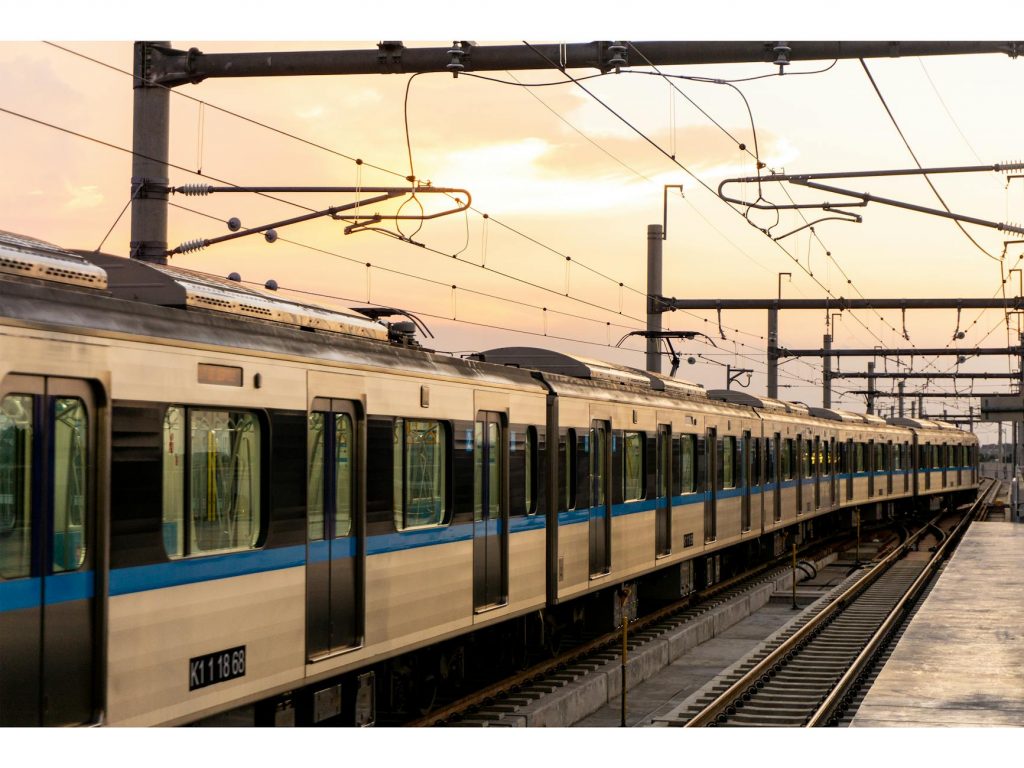
Can a city of 18 lakh people survive on buses and autos alone? Ask any Bhopal commuter stuck in traffic during peak hours, and you’ll get a resounding no. The state capital desperately needs a rapid transit system, and the metro rail project emerging as the solution could transform how the city moves.
Bhopal has grown exponentially over the past two decades. IT companies, educational institutions, and residential sprawl have pushed the city’s boundaries far beyond what the existing road network can handle. Traffic congestion costs time, productivity, and patience — especially for daily commuters traveling from outlying areas to the city center.
The Infrastructure Gap That Metro Can Fill
Right now, Bhopal relies heavily on buses and shared autos. While these work for short distances, they get overwhelmed during rush hours. There’s no dedicated, rapid public transport system connecting residential colonies to business districts, hospitals, and educational hubs. The metro project aims to fix exactly this.
A metro network would create dedicated corridors that don’t get stuck in regular traffic. A commute taking 45 minutes by road could potentially shrink to 20 minutes by metro. That’s not just convenient — it’s economically significant for a city trying to attract and retain talent.
Beyond speed, metro rail brings dignity to public transport. Unlike crowded buses, a metro offers reliable, frequent service and a cleaner commuting experience. It signals that the government takes urban mobility seriously.
What It Means for Bhopal’s Future Growth
Cities with metro systems attract different kinds of investments. They become more attractive to multinational companies, startups, and skilled workers. Madhya Pradesh, competing with neighboring states for IT and manufacturing sectors, needs this infrastructure upgrade badly.
The metro would also decongest roads, reduce pollution, and create employment during construction and operations. Real estate markets typically see positive movement around metro corridors, benefiting property owners while creating affordable housing opportunities through planned development.
Beyond economics, there’s a social angle. A functioning metro system provides affordable mobility for working-class citizens who currently spend significant portions of their income on daily commute costs.
The bigger picture? Bhopal’s metro isn’t just about moving people from point A to point B. It’s about establishing the city as a modern, livable urban center that can compete with Bangalore, Pune, and Hyderabad. It signals vision — that Madhya Pradesh’s capital is ready for the future.
As the project gains momentum, the next few years will be crucial in determining whether Bhopal can actually break free from traffic gridlock and emerge as the modern city it aspires to be.