
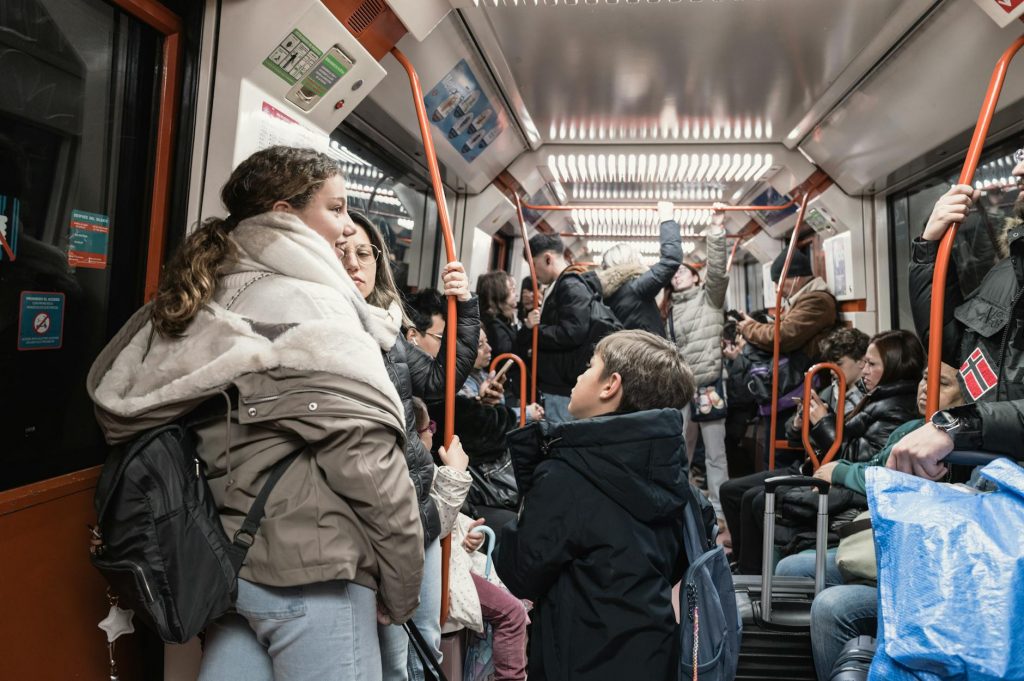
Will your city finally get better metro connectivity? Maharashtra’s new budget just answered that question with a major push for metro expansion across three key cities.
The state government has allocated significant resources to expand metro rail networks in Mumbai, Pune, and Nagpur. This is the kind of infrastructure move that affects millions of daily commuters.
What’s Happening on the Ground
Mumbai’s metro network will see new lines and extensions that aim to reduce traffic congestion in already crowded corridors. The focus is on connecting residential areas to business districts — the routes people actually use every day.
Pune is getting its own metro expansion plans, with routes designed to handle the city’s growing IT sector population. And Nagpur, often overlooked in infrastructure discussions, finally gets serious investment in rapid transit.
Why This Matters Right Now
Indian cities are choking with traffic. Every year, millions of people waste hours sitting in vehicles instead of being productive. A proper metro system changes that equation completely.
These three cities are economic powerhouses. Mumbai drives the nation’s financial sector. Pune attracts tech talent from across India. Nagpur is becoming a major commercial hub. Better metro connectivity means businesses attract talent more easily, and workers save time commuting.
The budget allocation signals that the government is serious about urban mobility. This isn’t just announcing plans — actual funds have been earmarked for construction, land acquisition, and project management.
For regular commuters, this means fewer traffic jams in the next 3-5 years as construction ramps up, followed by actual relief once lines start operating. For students and young professionals, it means lower commute costs and more free time.
The expansion also creates thousands of jobs. From construction workers to engineers to station staff, the metro boom will generate employment across skill levels.
Real estate in metro-connected areas typically sees appreciation. If your property is near a planned metro route, that’s potentially good news for future resale value.
There’s also an environmental angle. Every person who switches from personal vehicles to metros reduces city pollution. With Indian cities consistently ranking among the world’s most polluted, this shift matters.
The timeline for these projects will likely span several years, with different phases rolling out at different times. Construction chaos is inevitable, but the long-term payoff justifies the short-term inconvenience.
Watch this space closely. The real test comes when construction actually starts and budgets get spent. But for now, this is solid news for anyone commuting in these three cities.