
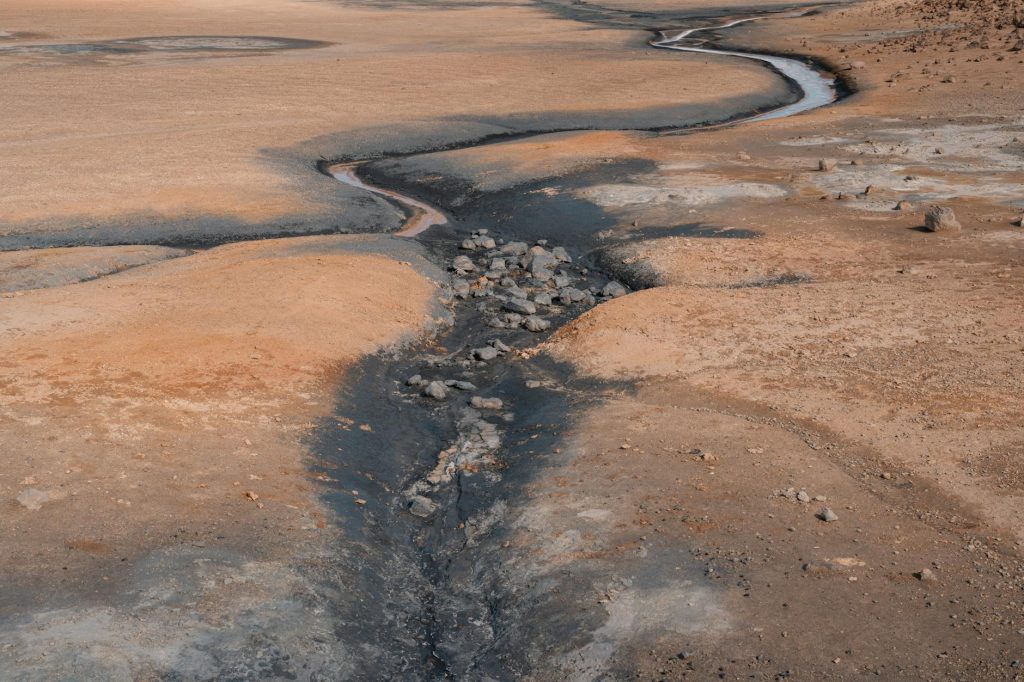
The water taps in Punjab’s Malwa region are telling a troubling story. Farmers who once struck water at 30 feet are now drilling 300 feet deep—and still struggling to find enough. Worse, much of what they find is contaminated with toxic chemicals that shouldn’t be there.
This isn’t just an inconvenience. It’s a full-blown crisis affecting millions of people who depend on groundwater for drinking, farming, and daily life.
How Did Things Get This Bad?
The Malwa plateau, which spans parts of Punjab, Haryana, and Rajasthan, was once considered a groundwater goldmine. Decades of heavy irrigation for agriculture—especially cotton and rice farming—turned that advantage into a nightmare. People pumped out far more water than nature could replenish.
At the same time, industrial waste and chemical runoff from fertilizers seeped into the aquifers. What remained wasn’t just scarce—it was poisoned. Reports show dangerous levels of nitrates, fluoride, and other contaminants in water samples across the region.
The government’s response has been slow. Some areas got bore wells deepened, but that’s only a temporary fix when the water table keeps falling year after year.
What This Means for You
If you live in Malwa, your family faces real risks. Contaminated water causes health problems—kidney damage, dental fluorosis in children, and digestive issues are increasingly common. Bottled water has become a necessity for many, adding to household expenses.
Farmers are caught in a squeeze. Deeper wells mean higher electricity bills. Lower water availability means smaller harvests. Many have already abandoned farming or switched to less water-intensive crops, changing the region’s agricultural landscape.
The crisis also highlights a bigger problem: we’re treating groundwater like it’s endless. It isn’t. The same pattern is repeating in other parts of India—Maharashtra, Karnataka, Rajasthan—wherever agriculture and industry demand more water than the earth can provide.
What makes Malwa urgent is the toxic contamination layer. It’s not just about quantity anymore; it’s about quality. Communities can’t simply dig deeper forever.
Some villages have started rainwater harvesting and check dams to recharge aquifers, but these efforts are scattered and under-resourced. Real solutions require serious investment—better irrigation methods that use less water, stricter controls on industrial waste, and honest conversations about what Punjab’s agriculture can actually sustain.
The clock is ticking. Without action, thousands of families in the Malwa region could soon face a choice between contaminated water and no water at all. And that’s a choice no one should have to make.