
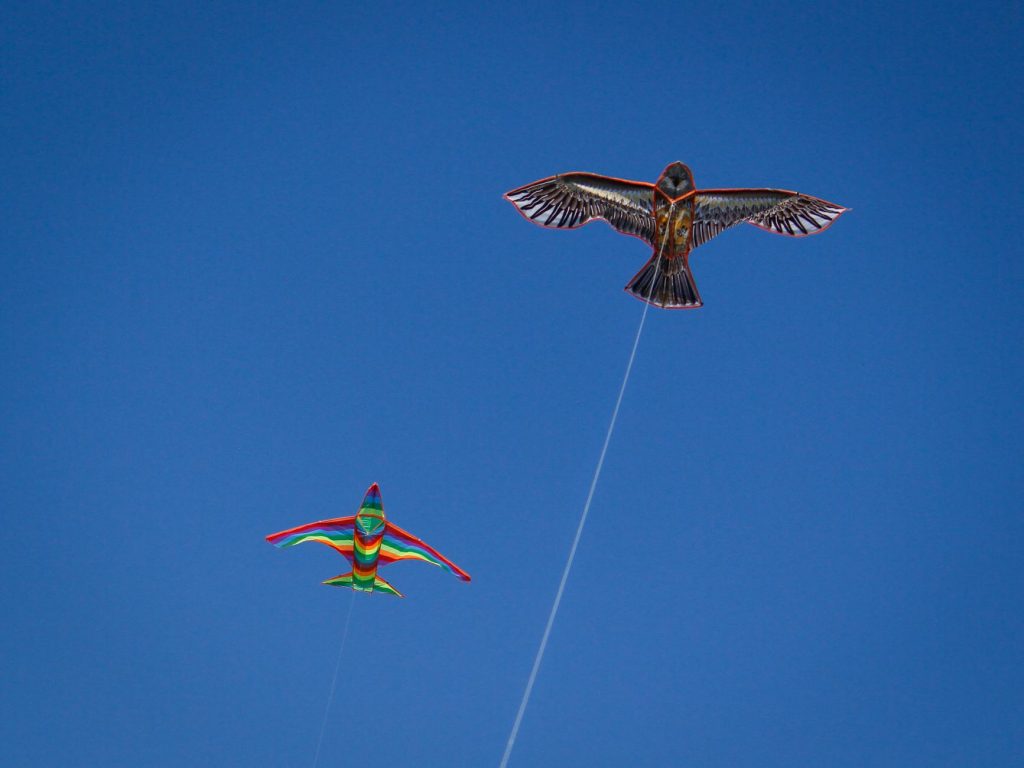
Picture this: You’re riding your two-wheeler on a busy Lucknow flyover during kite season. Suddenly, a thin glass-coated string catches your neck or slices your hand. Within seconds, you lose control. This isn’t a movie scene—it’s becoming a daily reality for commuters in Lucknow.
The culprit? Manjha. That innocent-looking kite string coated with crushed glass that makes kite flying exciting has turned into a serious traffic hazard on the city’s flyovers and highways.
How Manjha Becomes a Weapon
Manjha is traditionally coated with glass powder mixed with glue to help kites cut each other’s strings during aerial battles. But when kites fall or strings snap, these coated strings don’t just disappear. They float in the air or get tangled on vehicles, especially on elevated roads where wind is strongest.
Two-wheeler riders and even car passengers have reported getting cut by manjha while driving. Some riders have crashed after strings wrapped around their necks or helmets. The injuries range from minor cuts to serious lacerations that need hospital treatment.
What makes this worse? During peak kite-flying seasons, hundreds of strings fly simultaneously, creating an invisible danger zone on roads that are already congested and high-speed.
Why Flyovers Are Particularly Risky
Flyovers and elevated highways have strong wind currents that keep manjha strings suspended in the air longer. Riders here travel at higher speeds, giving them less time to react if a string appears suddenly.
Traffic police have recorded multiple incidents where manjha played a role in accidents. Some riders didn’t even realize what hit them until they saw the cuts or felt the pain after the incident.
The real danger is that manjha is almost invisible when you’re moving fast. Unlike potholes or obstacles, you can’t see it coming.
What Needs to Happen Now
Safety experts and traffic officials are pushing for stricter rules on manjha use near highways and populated areas. Some cities have already banned commercial sales of glass-coated string or limited kite flying in certain zones.
Until regulations catch up, riders need to be extra careful during kite season. Wear proper helmets, reduce speed on flyovers, and stay alert for any string-like objects in the air.
Parents should also discourage kids from flying kites near roads and flyovers. The fun of kite flying isn’t worth someone’s life or serious injury.
As Lucknow and other Indian cities grow, balancing traditional activities like kite flying with modern road safety is becoming crucial—and it requires action from everyone, not just authorities.