
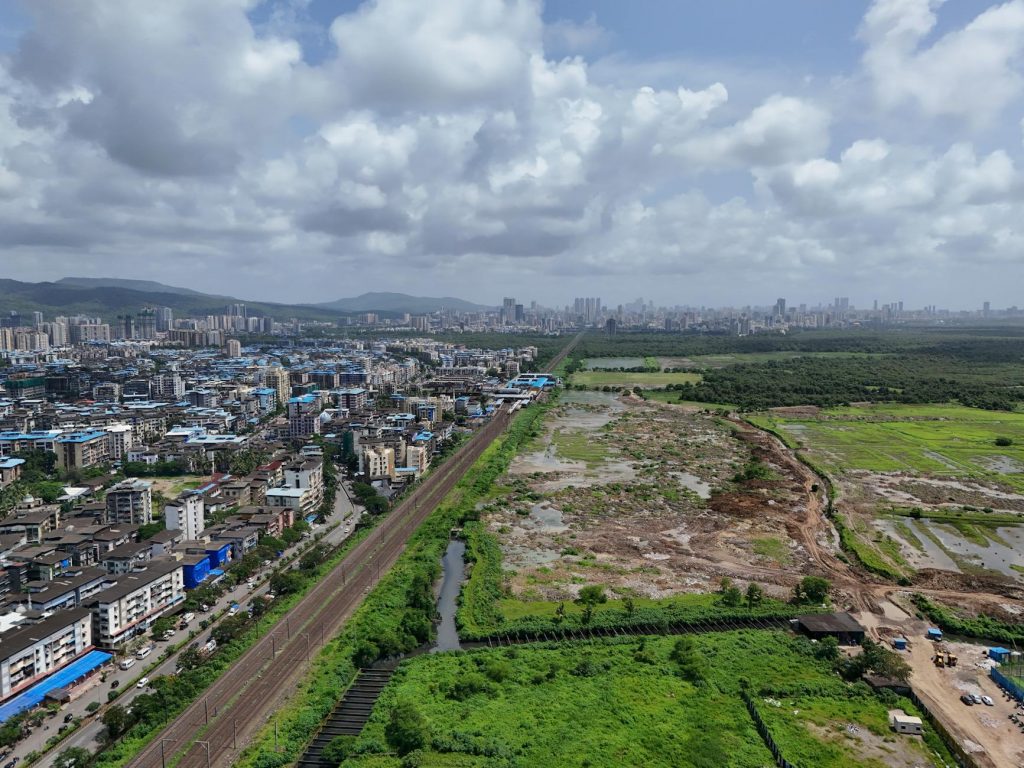
Maharashtra has just announced one of its most ambitious infrastructure pushes in years, signaling a serious commitment to urban development and connectivity across the state. The state government’s multi-pronged approach combines metro expansion, new expressway corridors, and satellite city development—a move that could reshape how millions of Maharashtrians commute and live.
The announcement covers three major pillars that together represent a transformative vision for the region.
Mumbai Metro Gets Aggressive Expansion
Mumbai’s metro network, already one of India’s busiest, is set for significant expansion. New corridors will connect previously underserved areas of the city, particularly focusing on the suburbs and areas beyond the current network. This isn’t just about convenience—it’s about reducing traffic congestion that costs the city billions annually in lost productivity.
The metro expansion aims to ease pressure on existing suburban rail networks that are already bursting at seams during rush hours. Commuters who currently spend 90 minutes stuck in traffic might soon have a viable alternative.
Jankalyan Expressway and the Connectivity Push
The newly announced Jankalyan Expressway will create another crucial corridor linking key regions. Expressways like this one typically focus on reducing travel time between major cities and business hubs, making regional commerce more efficient.
Such infrastructure projects have proven track records in other Indian states—the Mumbai-Pune Expressway completely transformed that region’s real estate and business landscape over two decades.
Navin Nagpur: Building India’s Next Satellite City
Perhaps most intriguing is the Navin Nagpur project. Creating a new planned city from scratch is an entirely different ball game from expanding existing infrastructure. This suggests Maharashtra is thinking long-term about population distribution and preventing overcrowding in Mumbai.
Nagpur, already emerging as a major commercial hub with IT companies and manufacturing units, could develop into a genuine second-tier metro through this initiative.
What This Means for You
If you’re a homebuyer, these announcements are significant. Property values typically appreciate along metro corridors and near expressways—developers already understand this calculus. Areas that currently seem remote could become highly desirable in five to seven years.
For regular commuters, reduced travel times translate to better work-life balance and more personal time. For businesses, improved connectivity means access to wider talent pools and markets.
The real test, however, comes in execution. Maharashtra has announced infrastructure projects before. What matters now is whether these projects stay on schedule and within budget—something Indian infrastructure projects have historically struggled with.
The next 12 months will tell us whether this is genuine transformation or another announcement that fades into bureaucratic delays.