
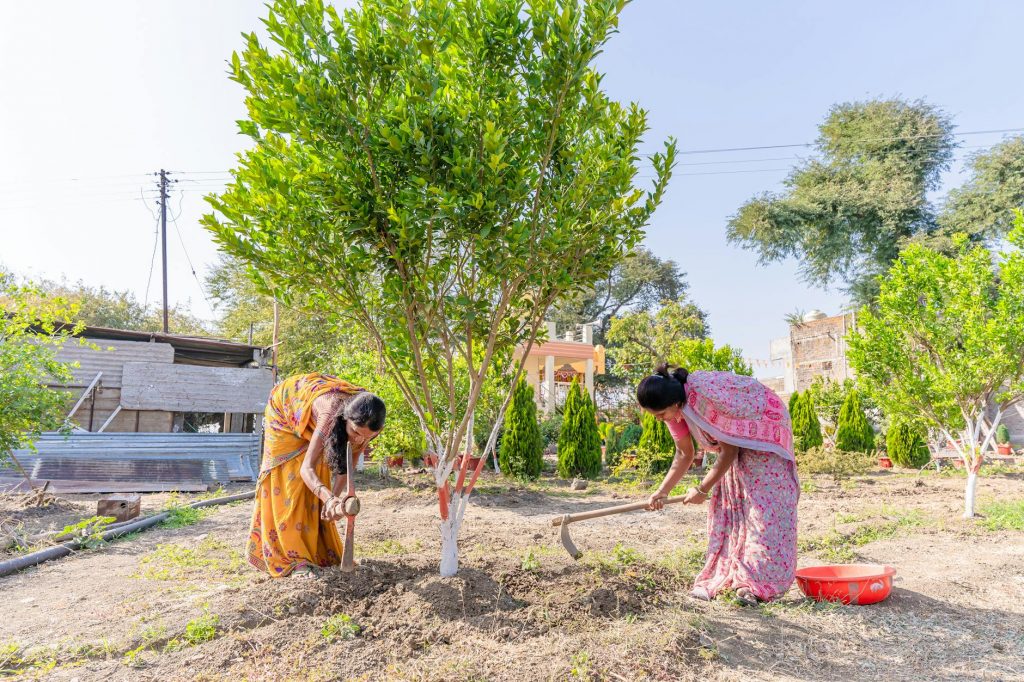
Nagpur is about to become significantly greener. The city has launched an ambitious plan to plant 20 lakh trees in just two months as part of Maharashtra’s environmental initiative. That’s roughly 10 lakh trees every month — a massive undertaking for any city.
Why This Matters for Your City
More trees mean cleaner air, especially important in a city like Nagpur where pollution levels fluctuate with seasons. Trees also cool down urban areas, reduce flooding during monsoons, and provide habitat for birds and insects that have disappeared from many Indian cities.
This drive goes beyond planting saplings in parks. The government plans to involve schools, colleges, NGOs, and regular citizens in the effort. When communities participate in such projects, the survival rate of trees increases because people feel ownership over them.
The Green Maharashtra campaign isn’t just about Nagpur. It’s a statewide movement to address climate concerns and improve quality of life. Nagpur, being the winter capital of Maharashtra, has taken the lead with this aggressive timeline.
How the Drive Will Actually Work
Local authorities have identified specific areas across Nagpur where trees will be planted — roadsides, public spaces, schools, and residential colonies. Different organizations are being assigned different zones to ensure coordinated effort and accountability.
The saplings being used are native species suited to the local climate. This matters because non-native plants often don’t survive in our weather and require more maintenance. Native trees like neem, peepal, and drumstick adapt naturally and benefit local wildlife.
Citizens are being encouraged to participate voluntarily. Many schools have already committed to planting trees on their premises. Corporate offices and housing societies are also stepping up, understanding that environmental responsibility is becoming essential.
What happens after planting is equally important. The government has arranged for watering systems and monitoring teams to ensure saplings survive the crucial first few months. Without proper care, even well-intentioned tree-planting drives can fail.
What Comes Next
If Nagpur successfully completes this target, it would set an example for other Indian cities struggling with pollution and urban heat. The success will depend on citizen participation and follow-up maintenance beyond the two-month drive.
For residents, this means more shade during summers, better air quality, and a city that looks and feels healthier. It’s a rare moment when government action directly connects to everyday life improvements — and you can actually participate in making it happen.
The real test will be in the coming months. Will these 20 lakh trees actually survive and grow, or will this be another forgotten initiative? That largely depends on whether communities keep caring after the initial excitement fades.