
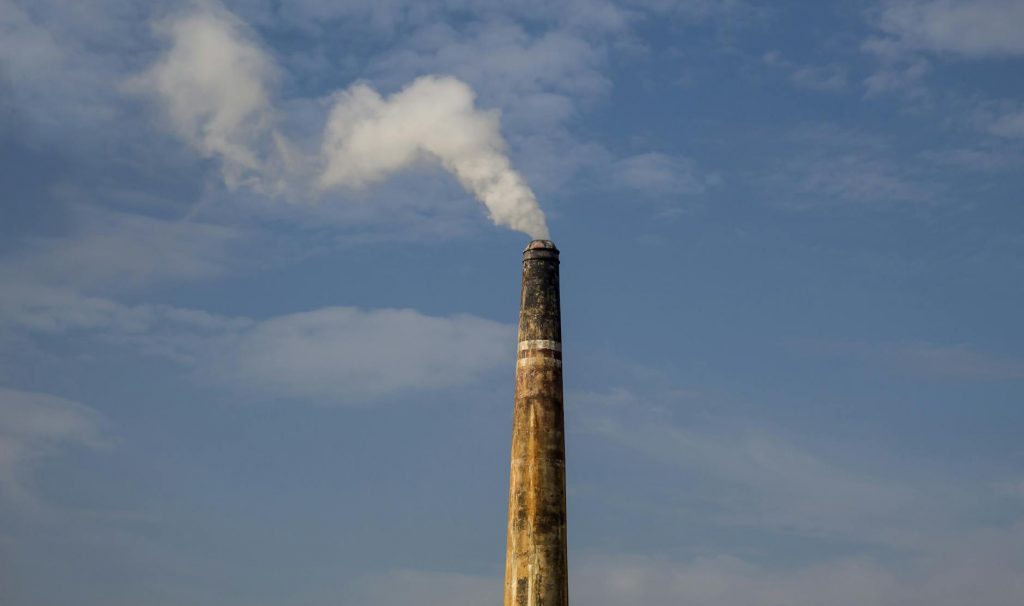
You step out for your morning walk in Punjab or Haryana, and instead of fresh air, your eyes start burning. Your throat feels scratchy. That’s the reality for millions right now, just days after Diwali celebrations wrapped up.
Air quality across Punjab and Haryana has plummeted into severe and hazardous categories, making it dangerous to breathe outdoors. The Air Quality Index (AQI) readings have crossed well into the red zone — the worst possible range for public health.
Why the sudden spike?
Diwali fireworks are a major culprit. Millions of crackers burst across the region, releasing toxic particles directly into the air. Add stubble burning from nearby farm fields, stagnant winds that trap pollution, and cooler temperatures that keep pollutants closer to the ground — it’s the perfect storm.
The situation is particularly grim in areas surrounding Delhi, where pollution routinely becomes a public health crisis every winter. But this year, the problem has spread deeper into Punjab and Haryana’s heartland.
What does this mean for you?
Schools are already considering online classes. People with asthma and respiratory conditions are staying indoors. Even healthy individuals are experiencing headaches and fatigue just from stepping outside.
Health experts are urging residents to wear N95 masks if they must go out, keep windows closed, and avoid outdoor exercise. Air purifiers are suddenly flying off shelves as families scramble to protect themselves.
The government has activated emergency measures in some areas — restricting construction, controlling traffic congestion, and appealing to farmers to halt stubble burning. But these steps take time to show results.
What’s worrying is the timing. Winter is just beginning, and pollution typically worsens through December and January as meteorological conditions become even more hostile. If this is what we’re seeing in early November, the months ahead could be brutal.
The real challenge ahead involves balancing celebration traditions with environmental responsibility, and helping farmers find alternatives to burning their fields. Until then, millions will continue breathing poison in their own backyards.