
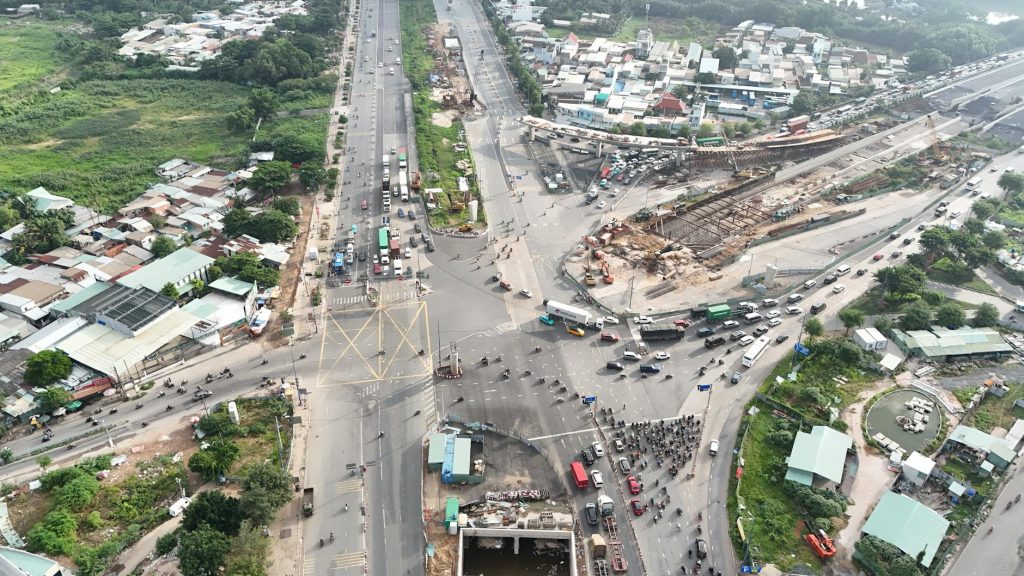
A massive 30-foot-deep crater suddenly opened up on Bhopal’s busy bypass, swallowing a chunk of the road and sending shockwaves through the city. The sudden collapse happened without warning, leaving commuters and authorities scrambling to understand how modern infrastructure could fail so dramatically.
The incident highlights a growing problem across Indian cities: our roads are aging faster than we can repair them. Most major highways in India were built 15-20 years ago, and many are showing serious signs of wear and tear. Heavy traffic, poor maintenance, and underground water seepage often combine to weaken the road structure from beneath.
How does a road just collapse like this?
Roads don’t collapse overnight. What usually happens is water seeps into the soil underneath, slowly washing away the foundation. When heavy vehicles constantly pass over weakened ground, it’s only a matter of time before the surface gives way. The crater on the Bhopal bypass likely formed the same way.
Underground utilities like water pipes, sewage lines, and drainage systems can also create hollow spaces beneath roads. If these break or leak, they leave voids that eventually can’t support the weight above. One day everything seems fine, the next day—boom—a massive hole appears.
What happens to commuters now?
Thousands of people use the Bhopal bypass daily for work and business. This collapse means traffic diversions, longer commutes, and potential safety hazards. Workers and students dependent on this route will face delays until repairs are complete.
The bigger worry: if this road wasn’t inspected properly, how many other highways are sitting on similar time bombs? Most Indian cities don’t have regular underground surveys of their roads. We often discover problems only after an accident or collapse occurs.
Authorities will likely need weeks to repair the crater. They’ll have to dig deeper, check what caused the collapse, rebuild the foundation, and resurface the road properly. Quick patch-ups won’t work because the underlying problem needs fixing.
This incident is a wake-up call for urban planners across India. We need to shift from fixing roads after they break to inspecting and maintaining them regularly. Cities like Pune and Hyderabad have started using technology to scan roads for weak spots before disasters happen.
For everyday commuters, this means two things: expect more traffic jams during monsoon season when roads are weakest, and support any infrastructure upgrade projects in your area—they’re becoming genuinely necessary. The Bhopal bypass collapse won’t be the last we hear of such incidents unless we start taking road maintenance seriously.