
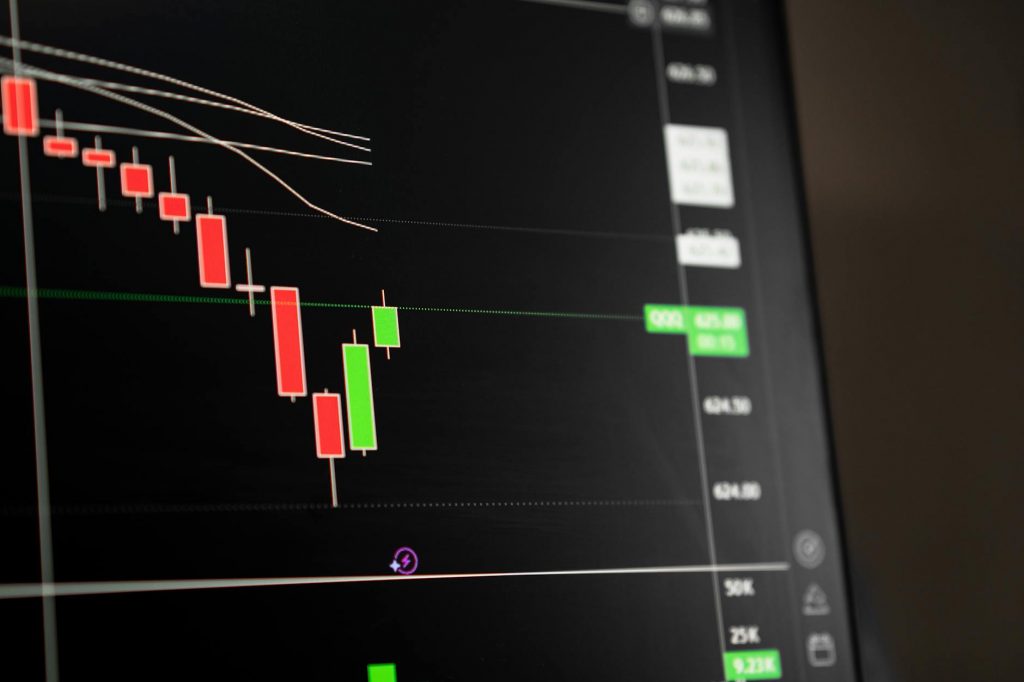
If you’ve been checking your portfolio this morning, you’ve probably noticed the red numbers staring back at you. India’s stock market took a significant hit today, with the Sensex plunging over 750 points while the Nifty 50 slipped below the 23,400 mark. It’s the kind of day that makes even seasoned investors check the news obsessively on their phones.
So what’s actually going on? The main culprit seems to be rising crude oil prices globally, which are putting pressure on India’s import bills and corporate profit margins. When oil gets expensive, everything from fuel to plastics becomes costlier, which directly impacts companies’ bottom lines.
Which Stocks Are Taking the Biggest Hit?
Large-cap stocks haven’t been spared from today’s selling spree. Companies like L&T, which are usually considered defensive plays, have also seen their shares slide. Meanwhile, smaller companies like PG Electroplast have witnessed even sharper declines, with losses crossing 7% at some points during the trading session.
The broader market mood is clearly cautious right now. Investors are pulling money out of stocks and looking for safer havens. This kind of volatility isn’t unusual when global commodity prices spike, but it can definitely make your mid-morning chai taste a bit more bitter.
Should You Be Worried?
Here’s the thing — a single day of market decline doesn’t define your investment journey. Markets have always been cyclical, and what’s happening today might look completely different a few months from now. However, if you’re sitting on cash or looking to invest, sharp corrections like these sometimes create buying opportunities for patient investors.
The real question investors are asking is whether this weakness will persist or if we’ll see a recovery in the coming sessions. Much depends on whether global oil prices stabilize and whether domestic economic data remains solid. India’s fundamentals haven’t changed dramatically just because the Sensex dropped 800 points in a single day.
If you’re an active trader, days like these can be stressful. If you’re a long-term investor with a 5-10 year horizon, this is just noise. The trick is knowing which camp you fall into and staying disciplined accordingly.
Keep an eye on how international markets perform in the coming days — they often set the tone for Indian trading sessions. Also watch for any RBI announcements or government policy moves that might provide direction to the market. Until then, it’s probably a good idea to avoid checking your portfolio every five minutes!