
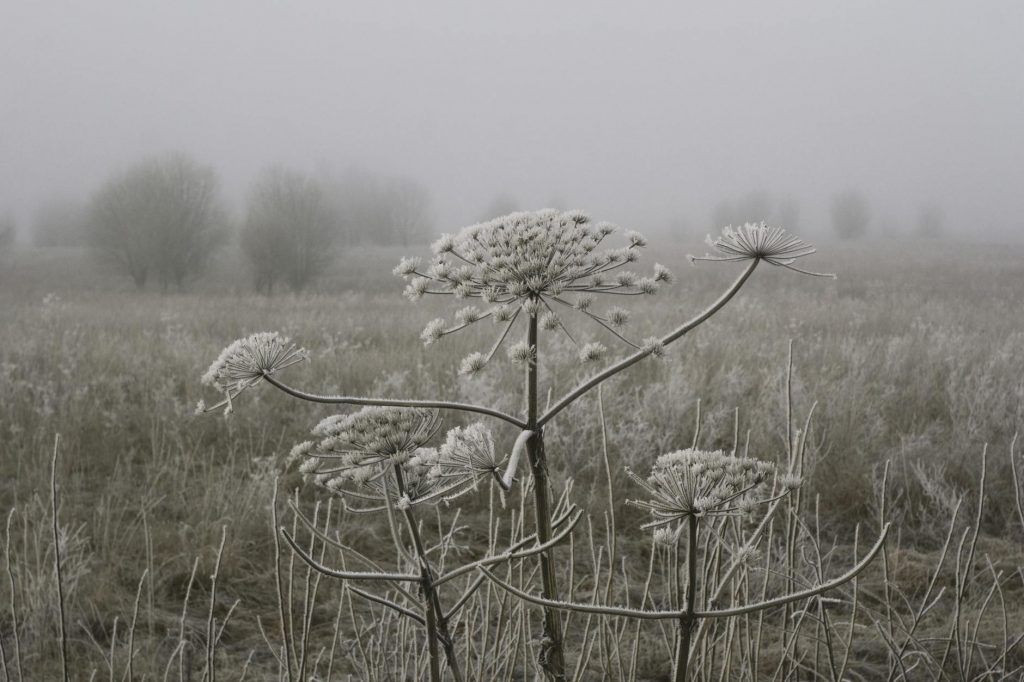
Thick fog has settled over Punjab and Haryana, reducing visibility to just a few metres in several districts and creating hazardous conditions on highways where commuters are crawling along at walking speeds.
This is the season when India’s northern plains transform into a grey haze. Cold air gets trapped near the ground, moisture accumulates, and suddenly you can barely see the vehicle ahead of you. It’s happened before, and it’ll happen again — but it doesn’t make it any less disruptive.
When does this fog actually clear?
Meteorologists say the worst usually peaks in late December and early January when temperatures dip to their lowest. Right now, we’re in that sweet spot where mornings are absolutely treacherous. The fog typically lifts by mid-morning, but that’s little comfort for those heading to work or school at dawn.
The India Meteorological Department has been tracking these systems, and the pattern is clear: the foggy belt stretches across the entire Indo-Gangetic Plains, with Punjab and Haryana bearing the brunt because of their geography and agricultural practices. The stubble burning that happened earlier in autumn has also contributed to the reduced air quality, making visibility even more challenging.
What this means for your commute and safety
If you’re driving in these regions, expect delays. Highways that normally take three hours might take five. Bus operators are running services slower, trains are occasionally delayed, and visibility-related accidents spike during these weeks.
Schools have occasionally shifted to online classes, though that’s not standard practice everywhere. Flights face disruptions too, though modern landing systems help. But for the millions of daily commuters — whether on two-wheelers, cars, or buses — this is genuinely dangerous.
Agricultural activities also slow down. Farmers can’t spray pesticides or work in fields when visibility is poor. Market operations get affected because traders can’t assess produce quality as easily. The entire economic rhythm of these two states hiccups for several weeks.
Air quality takes another hit during fog season because pollutants get trapped in that low-lying moisture layer. So while the fog itself might look like innocent white mist, it’s often carrying concentrations of PM2.5 and other pollutants that make breathing harder, especially for children and elderly people.
The good news? This doesn’t last forever. By late January, temperatures usually start creeping up, the fog retreats, and the plains clear out again. But until then, if you’re in Punjab or Haryana, drive slower, keep your headlights on, and leave extra time for travel.
The winter fog season is as predictable as it is unavoidable — and it’s a reminder that India’s weather patterns still dictate how millions of us live and work.