
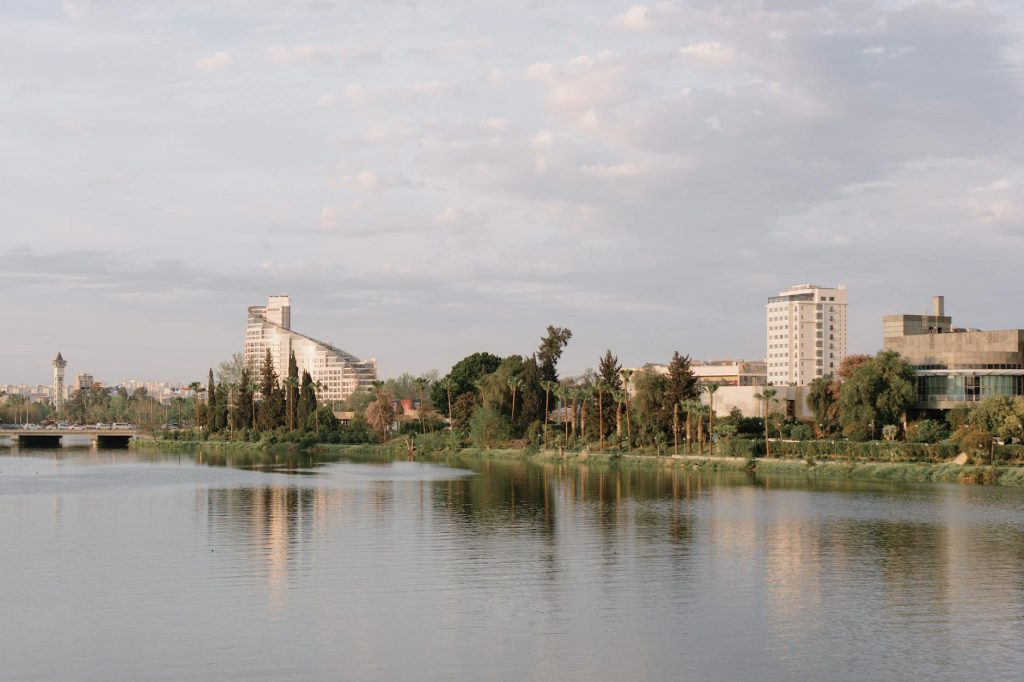
Visakhapatnam is getting serious about water management. The city’s economic region is hosting a dedicated conference on water security on March 10, bringing together experts, policymakers, and business leaders to tackle one of India’s most pressing challenges.
Why should you care? Vizag’s rapid industrial growth and expanding population mean water stress is becoming real. The conference aims to find practical solutions before the problem gets worse.
Why Water Security Matters for Vizag Right Now
The Vizag Economic Region is booming. More factories, more people moving in, more demand on existing water resources. But here’s the thing — traditional water sources aren’t infinite, and climate patterns are getting unpredictable.
This conference isn’t just academic talk. It’s about creating a roadmap for how industries and the city can share water responsibly. That directly affects job creation, industrial expansion, and whether Vizag can sustain its growth trajectory.
Industries need reliable water supply to operate. Residents need clean drinking water. Farmers in surrounding areas depend on water too. Getting all these interests to agree on a strategy? That’s what the March 10 conference is really about.
What’s Actually Happening on March 10
Think of this as a serious networking and problem-solving event, not just another seminar. The conference will bring together water resource managers, industrial leaders, government officials, and researchers to discuss real challenges and brainstorm solutions.
Expect sessions on water conservation strategies, recycling technologies, groundwater management, and how other Indian cities have handled similar problems. It’s practical stuff — the kind that actually changes policy.
The goal is straightforward: develop a water security framework that Vizag’s economic region can actually implement. Something that works for factories, the municipality, and local communities all at once.
What makes this different from other conferences? It’s focused specifically on the economic region, not vague national-level discussions. That means recommendations will be tailored to Vizag’s actual situation and needs.
What Happens After March 10
The conference outcomes will likely shape water policy for Vizag’s industrial zones over the next few years. If things go well, we’ll see new water management protocols, investment in recycling infrastructure, and stronger coordination between industries and local authorities.
For investors and business owners, this matters because water security directly impacts operational costs and long-term viability. For residents, it means better planning around water availability and possibly improved supply reliability.
The real test comes in implementation. Conferences are just the beginning — what matters is whether Vizag can actually follow through on the decisions made on March 10 and build a more water-secure future.