
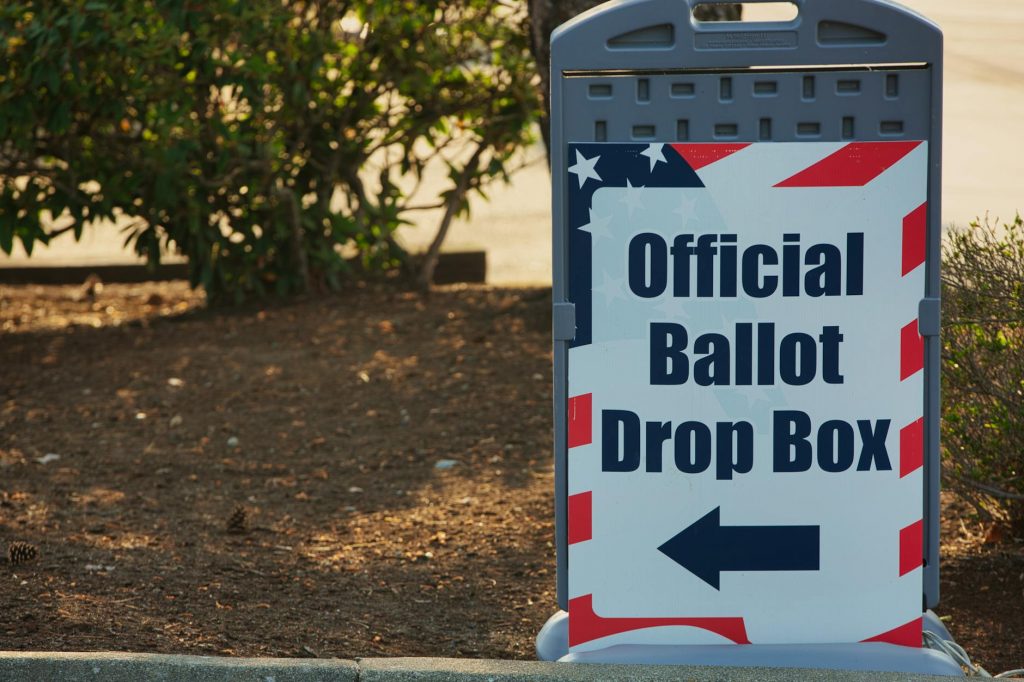
Picture this: it’s election season in Gujarat, and millions of voters will head to polling booths to decide who runs their cities, towns, and villages. If you live in Gujarat or care about local governance, mark your calendars — voting happens on April 26, with results coming two days later on April 28.
This is a big deal for Gujarat’s civic administration. Local body elections determine who becomes mayor, municipal commissioner, and ward councilors in your area. These are the people who actually fix your roads, manage water supply, and handle garbage collection.
What You Need to Know About April 26
The Gujarat State Election Commission has set April 26 as the single voting day across all municipalities and local bodies in the state. This consolidated approach means the entire electoral process wraps up quickly — results follow just two days later on April 28.
Polling will begin early morning and continue through the day. If you’re eligible to vote, you’ll need your voter ID or any valid identification document. Voting happens at designated polling booths in your ward or locality.
The quick turnaround between voting and result declaration — just 48 hours — is significant. It keeps public attention focused and speeds up the process of government formation at the local level.
Why Local Elections Matter More Than You Think
Here’s what most people overlook: local body elections are where governance actually touches your daily life. Municipal corporations and town councils handle street lighting, public transportation, property tax collection, and civic amenities.
These elections also serve as a mini-referendum on how the ruling government is performing on the ground. Voters often use local polls to send messages about their satisfaction with service delivery and administrative efficiency.
In Gujarat, where municipal administration has been relatively organized compared to other states, these elections will test whether voters believe their local leaders deserve another term. The results often influence state-level politics too.
Experts point out that local body elections also provide a platform for grassroots leaders to emerge. Many politicians who later contest assembly and parliament elections cut their teeth in municipal politics.
The compressed election and result timeline — voting and counting within 48 hours — ensures that the political narrative doesn’t drag on. Once results are out on April 28, coalition-building and government formation begin almost immediately.
So if you’re in Gujarat, this is your chance to vote on issues that directly impact your neighborhood and city. Make sure you know your polling booth location and carry valid ID on April 26.