
Why is a small Gulf nation suddenly in the news? Because Bahrain’s government is cracking down hard on dissent, and it’s all connected to the bigger Iran-Israel conflict that’s making waves across the Middle East.
Think of Bahrain as a pressure cooker. The island nation sits right between Iran and Saudi Arabia, two regional powers that don’t exactly get along. When tensions flare up between Iran and other countries, it creates ripple effects inside Bahrain itself.
What’s happening on the ground?
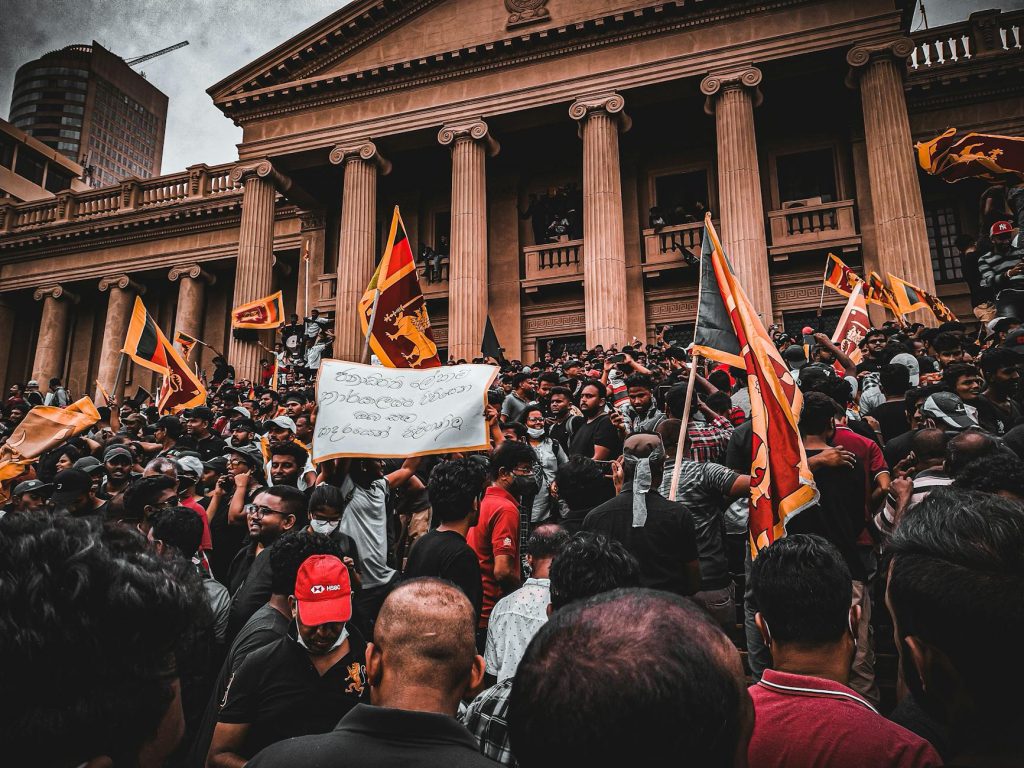
Bahrain’s government has been increasing arrests and restrictions on people who speak out against government policies. Opposition groups, activists, and ordinary citizens criticizing the state are facing serious consequences. Some face detention without clear charges, while others have had their movements restricted.
The timing matters here. As regional conflicts heat up and fears of a wider war grow, the Bahraini government is using these concerns as cover to silence domestic critics. It’s a classic move — when external threats loom large, authorities often clamp down on internal dissent, claiming it’s necessary for national security.
Bahrain has a history of internal tensions. The country has a Shia Muslim majority but is ruled by a Sunni monarchy. This religious and political divide has always simmered beneath the surface. When external pressures increase, these internal fault lines become more explosive.
Why should Indians care?
First, about 800,000 Indians live and work in the Gulf region, including Bahrain. When countries go into security lockdown mode, it affects daily life for migrant workers. Curfews, restrictions on movement, and general instability can impact jobs and safety.
Second, this reflects a wider pattern across the Middle East. Several countries are using regional security threats to justify limiting freedoms and silencing opposition. Understanding this helps Indians make sense of global news and why certain countries behave the way they do.
Third, India itself has diplomatic and trade relationships with Bahrain and the broader Gulf region. When internal stability becomes fragile in these countries, it can affect India’s interests too.
The bigger picture is this: when war drums beat loudly in a region, the collateral damage isn’t just military. Ordinary people lose freedoms, dissidents face persecution, and societies become more authoritarian. Bahrain’s situation is a microcosm of what happens when geopolitical conflicts meet weak democratic institutions.
As the Iran situation remains tense, expect Bahrain’s government to maintain — or even increase — its security measures. The question for international observers is whether this crackdown will actually make the country safer, or simply breed more resentment beneath the surface.