
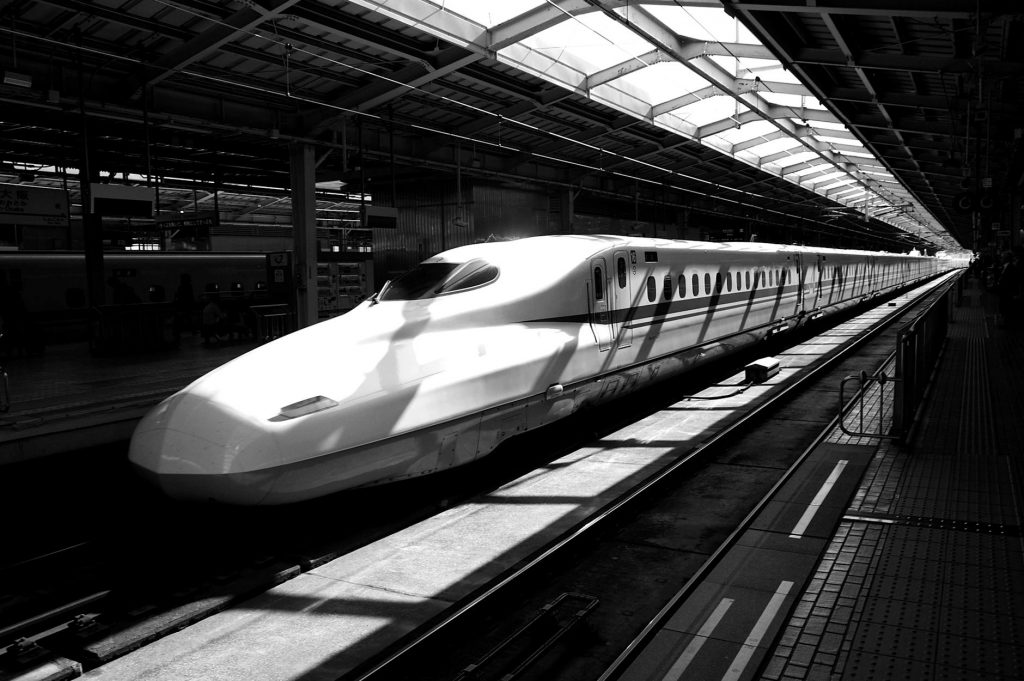
Imagine cutting your Mumbai-to-Pune commute from three hours down to less than an hour. Sounds like science fiction, right? Well, it’s happening. India’s first bullet train corridor is finally taking shape, and it’s going to completely change how people travel between these two cities.
The new high-speed rail project will connect Mumbai and Pune at speeds of around 320 km/hour. Instead of battling traffic on the highway or waiting for local trains, you’ll be cruising between India’s financial capital and its tech hub in just 48 minutes. That’s faster than some people’s commute within the city itself.
Why this matters for your travel plans
Right now, most people take the Pune-bound highway route, which eats up nearly three hours depending on traffic. The local train takes about two and a half hours. Both options are exhausting. Either you’re stuck in bumper-to-bumper traffic on the expressway, or you’re crammed into a crowded compartment.
This bullet train changes everything. You’ll have spacious, air-conditioned coaches. The ride will be smooth, safe, and predictable—no delays because of traffic jams or mechanical issues. For business professionals, this is a game-changer. You could have a morning meeting in Mumbai and be back in Pune by lunch.
The project has been in development for years, but things are finally moving. Construction is underway, and the government is pushing hard to get this operational sooner rather than later.
What this means for India’s future
Here’s the bigger picture: this isn’t just about saving 2.5 hours on a journey. This bullet train is India’s first real attempt at high-speed rail technology at a global standard. If this works smoothly, expect similar projects to pop up across the country—Delhi to Jaipur, Bangalore to Hyderabad, and more.
It also opens up real estate opportunities. People living in Pune can now easily work in Mumbai and vice versa. Cities could grow differently. Economic activity could flow differently. Young professionals get more flexibility about where they live versus where they work.
Plus, there’s the environmental angle. Fewer cars on the highway means fewer emissions. A bullet train carrying hundreds of people uses way less fuel per person than cars stuck in traffic. It’s modern infrastructure doing what it’s supposed to do—make life better and cleaner.
The whole project is expected to cost around ₹100,000 crore, which is massive but worth it if you think about it long-term. This is infrastructure that could serve millions of people for decades.
So mark this one as a win for India’s modernization journey. The Mumbai-Pune bullet train represents the kind of ambitious, practical infrastructure India needs. And once commuters experience 48-minute journeys between these cities, there’s no going back to the old ways.