
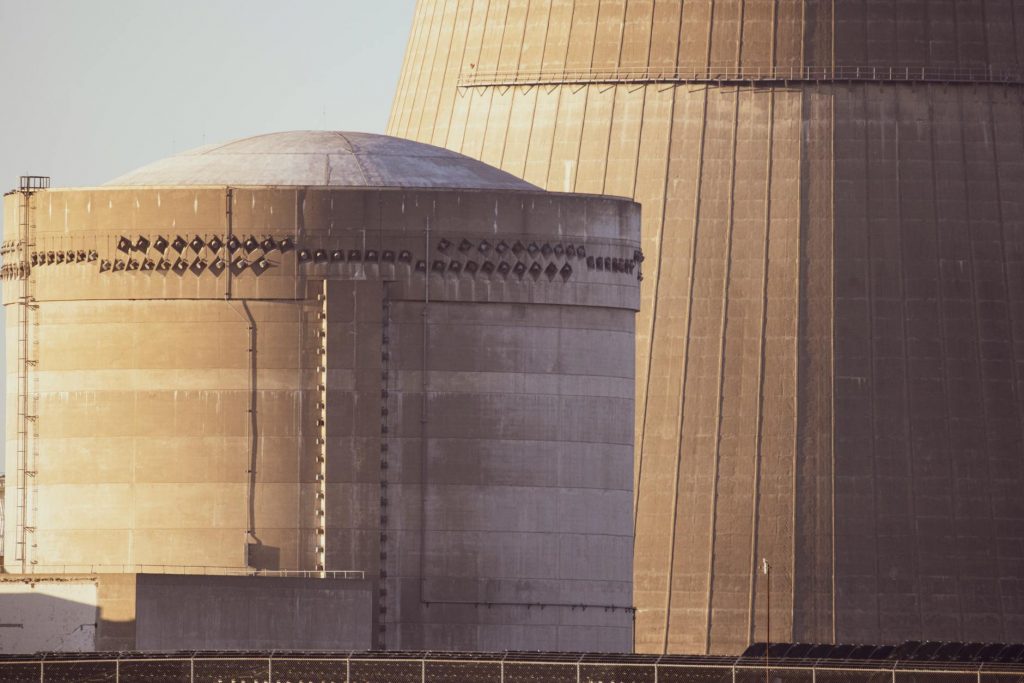
Iran’s Bushehr nuclear power plant has come under fresh attacks, triggering urgent warnings from the United Nations’ atomic energy watchdog. The International Atomic Energy Agency expressed deep concern over the escalating situation and called for immediate restraint from all sides.
Why this matters right now
Nuclear facilities aren’t like regular infrastructure. An accident at Bushehr could release radioactive material across a wide area, affecting millions of people across the Middle East and beyond. The IAEA’s alarm signals this isn’t just another geopolitical dispute—it’s a genuine safety crisis in the making.
The plant supplies electricity to parts of Iran and sits near densely populated regions. Any serious damage could have humanitarian consequences that cross borders and last for decades. This is precisely why the UN body exists—to prevent nuclear disasters before they happen.
What happens from here
The IAEA is pushing both attackers and defenders to step back and think about civilian safety. They’re calling for restraint because military operations near nuclear plants risk catastrophic unintended consequences. One stray missile or miscalculation could transform a political conflict into a regional emergency.
Iran has reported the attacks through official channels, putting international pressure on whoever’s responsible. The UN watchdog is essentially saying: whatever your grievances, nuclear plants must be off-limits. That’s a red line most nations understand.
What happens next depends on whether cooler heads prevail. Continued strikes on the facility would force the IAEA to escalate its response, potentially bringing more international bodies into the equation. Meanwhile, Iran will likely bolster security around Bushehr and other sensitive sites.
For people in India and the broader region, this matters because a major nuclear incident anywhere affects everyone. Radiation doesn’t respect borders, and global energy markets could face serious disruptions if major plants go offline.
The coming days are critical. If both sides can agree to protect civilian nuclear infrastructure as a matter of principle, they might prevent something truly catastrophic. But if the attacks continue, you could be looking at the world’s first modern nuclear plant emergency—and nobody wants that.
Watch this space closely. The IAEA will keep monitoring the situation and reporting to world governments. How they respond will shape whether this escalates into something far worse.