
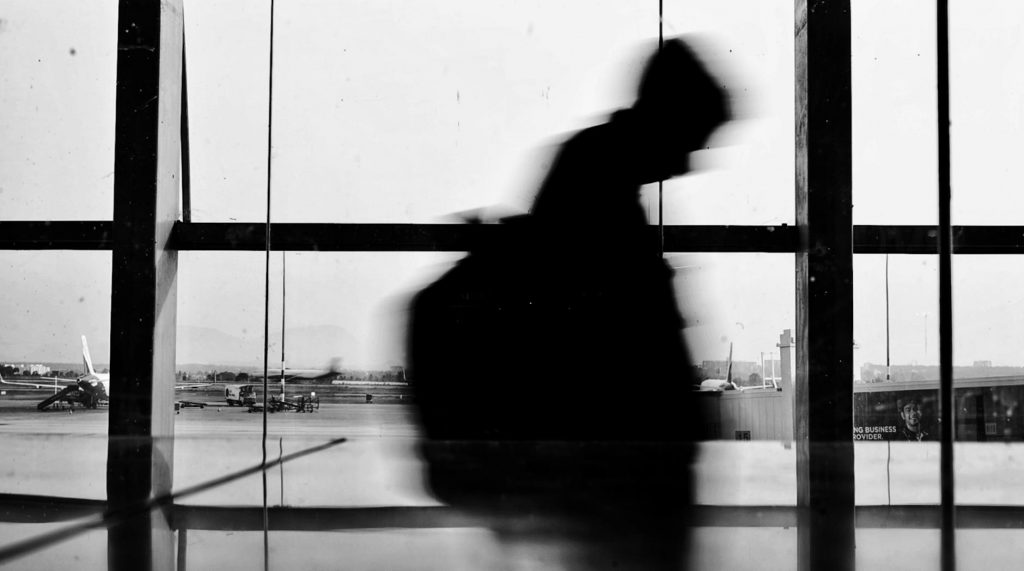
Are you or someone you know stuck at Las Vegas airport right now? Hundreds of passengers are facing major travel disruptions as multiple airlines simultaneously struggle with operational issues.
Harry Reid International Airport in Las Vegas turned into a waiting ground today as Southwest Airlines, Delta, United, and other carriers delayed 124 flights and cancelled 7 others. The cascade effect has left travellers stranded not just in Nevada, but also disrupting connections to major hubs like New York and Chicago.
What Went Wrong?
When this many flights get grounded at once, it’s rarely about one problem. Airlines typically face delays due to technical issues, crew unavailability, weather complications, or air traffic control challenges. The fact that multiple carriers experienced issues simultaneously suggests either a systemic airport-level problem or a weather event affecting the broader region.
Las Vegas sits in the desert where summer temperatures can spike unexpectedly, sometimes forcing airlines to reduce flights or delay departures. Ground operations can also get overwhelmed when several airlines hit capacity limits at the same time.
The Ripple Effect Across America
When Vegas gets jammed, the entire US travel network feels it. Passengers booked on connecting flights through New York’s airports or Chicago’s hubs found themselves stuck in the desert waiting for aircraft that were nowhere to be found.
For Indian travellers planning to fly through these US hubs, this is a reminder that even well-organized airports can face sudden chaos. A delay in Vegas can knock your entire itinerary off schedule, especially if you’re on a tight connection.
Airlines are typically obligated to provide passengers with meals, accommodation, and rebooking options when delays stretch beyond a few hours. However, the experience remains frustrating—time wasted, plans derailed, and stress multiplied.
Travel experts recommend always booking with buffer time between connecting flights, especially during peak summer season. A two-hour connection might look good on paper, but it leaves zero room for exactly this kind of situation.
The cancellations are particularly painful because they often mean starting from scratch. Getting onto another flight can take days during busy travel periods, forcing passengers to make last-minute accommodation arrangements or rent cars as alternatives.
If you’re planning US travel in coming weeks, keep this incident in mind. Check real-time flight status obsessively before heading to the airport, and have backup plans ready. Travel insurance that covers delays and cancellations becomes genuinely valuable when situations like today unfold.
As airlines work to clear the backlog, expect ripple delays to continue through tomorrow. The question now is whether this was a one-off bad day or a sign of deeper operational stress in the US aviation system heading into peak travel season.