
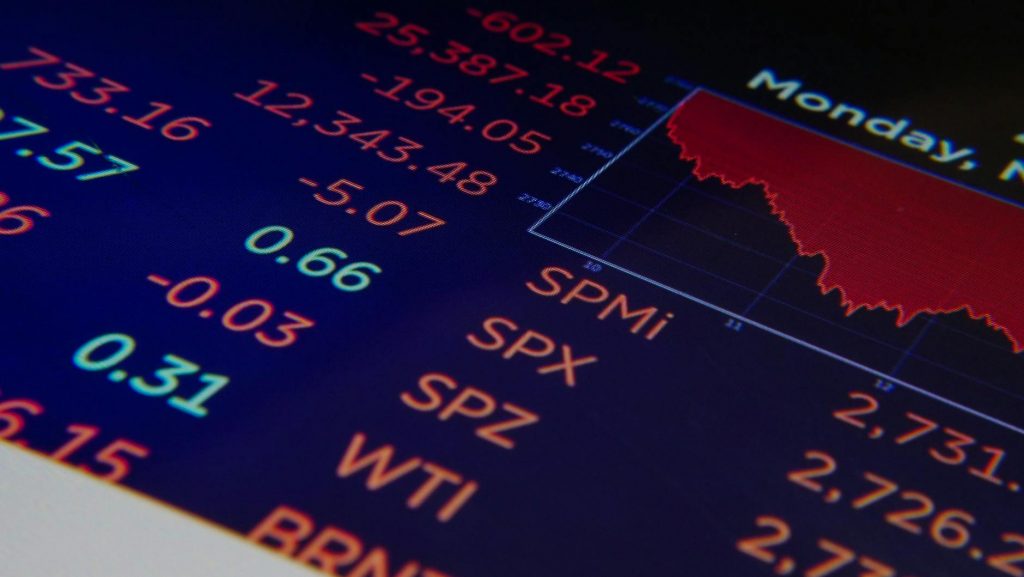
India’s stock market extended its losing streak for the third straight day, with the BSE Sensex tumbling around 600 points and the NSE Nifty50 index falling below the 23,450 mark. The selloff signals growing caution among investors as multiple headwinds continue to weigh on sentiment across sectors.
This three-day decline reflects a broader pullback after the market’s strong performance earlier in the year. Domestic institutional investors have been trimming positions, while foreign portfolio investors remain cautious about global economic conditions.
What’s Driving the Downturn?
Several factors are converging to create the current bearish environment. Rising crude oil prices are stoking inflation concerns, which could limit the Reserve Bank of India’s room for interest rate cuts. Higher input costs directly impact corporate profit margins, particularly in sectors like aviation, cement, and automobiles.
Global uncertainty isn’t helping either. Geopolitical tensions and unpredictable currency movements are making foreign investors nervous. The rupee’s weakness against the dollar adds another layer of complexity for companies with dollar-denominated debts.
On the domestic front, earnings season has thrown up mixed results. While some blue-chip companies posted decent numbers, many mid-sized firms disappointed investors with weaker-than-expected margins. This selective weakness has made fund managers increasingly selective about which stocks they’re buying.
What Happens Now?
Market watchers are divided on what comes next. Some analysts believe the current correction is healthy and necessary after a strong rally, suggesting it could present buying opportunities for long-term investors. Others warn that if Nifty breaks below 23,400, we could see accelerated selling pressure leading to further losses.
The coming weeks are crucial. Investors will be watching corporate earnings closely and keeping an eye on RBI policy signals. Any hint that the central bank might hold rates steady for longer could rattle markets further, as it would suggest sticky inflation.
For retail investors, the key takeaway is simple: don’t panic. Market corrections of 2-3% are normal and happen regularly. This isn’t a crash—it’s a consolidation. However, if you have substantial exposure to volatile sectors, it might be worth reviewing your portfolio allocation.
The next 48 hours could be telling. If indices stabilize around current levels, we might see some stabilization. But if selling pressure intensifies, we could test important support levels, which would trigger more defensive positioning across the market.
Keep your eyes on crude oil prices, monsoon forecasts, and any RBI commentary—these three factors will likely dictate market direction over the next week.