
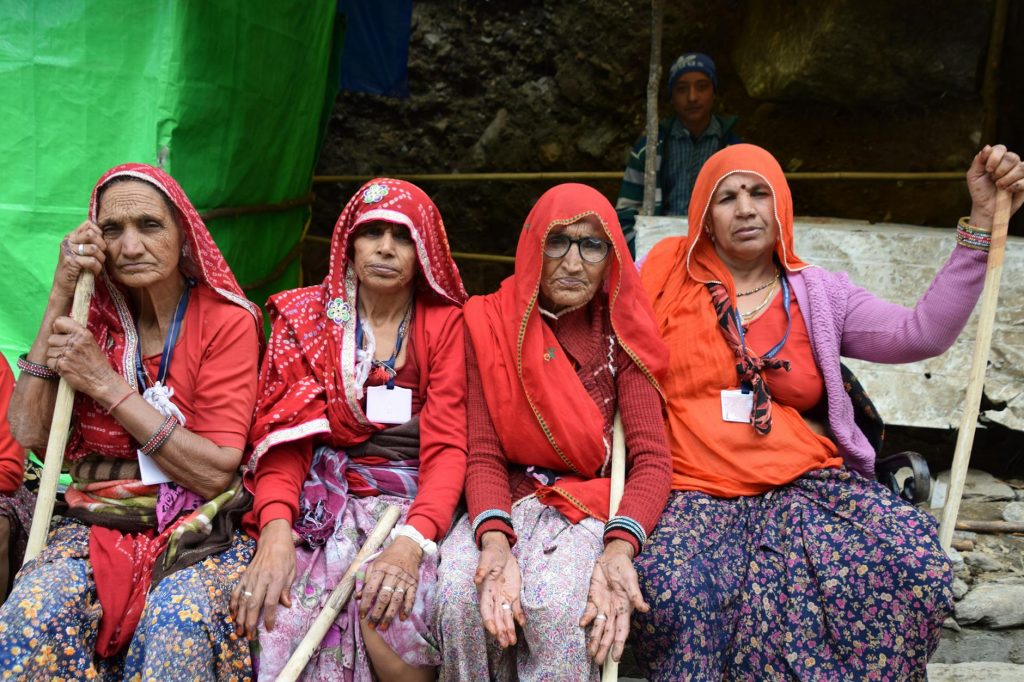
This Women’s Day, India’s government has rolled out schemes worth thousands of crores specifically designed to lift women economically and socially. But here’s the catch — most women don’t know these programs exist. That’s a problem, especially if you’re preparing for competitive exams where current affairs matter.
Why These Schemes Matter Right Now
From financial independence to skill development, the Indian government has launched multiple initiatives targeting women across education, entrepreneurship, and healthcare. These aren’t just feel-good announcements — they’re backed by actual budgetary allocations and measurable outcomes.
For UPSC, SSC, and banking exam candidates, understanding these schemes is critical. Government schemes appear regularly in GK sections, current affairs papers, and policy-based questions. Examiners specifically test whether you know the objectives, beneficiaries, and implementation status of major welfare programs.
The Major Schemes You Need to Know
Pradhan Mantri Mahila Shakti Kendra: This scheme establishes community centers in villages to provide counseling, skill training, and awareness on women’s rights. The government targets 115 districts, focusing on backward regions where women’s participation in decision-making is still low.
Sukanya Samriddhi Yojana: A savings scheme for girls’ education and marriage with guaranteed returns. Parents deposit money and earn interest at government-set rates — currently among the highest savings schemes available. This one appears frequently in banking exams.
Beti Bachao Beti Padhao: Beyond its awareness campaign, this umbrella scheme connects multiple interventions: from preventing female infanticide to improving girl child education ratios. It’s been rolled out across 640 districts nationally.
PM Maternity Benefit Scheme: Direct cash transfers of ₹5,000 to pregnant women in their first trimester. The scheme targets women below specific income thresholds and helps reduce maternal malnutrition.
MUDRA Loan for Women Entrepreneurs: Collateral-free loans up to ₹10 lakhs for women starting or expanding small businesses. Over 70% of MUDRA borrowers are now women, making this a game-changer for female entrepreneurship.
What This Means for Your Exam Preparation
Competitive exams love testing your knowledge on eligibility criteria, loan amounts, and implementation timelines of these schemes. They’ll ask: Which scheme provides cash directly? Which one focuses on skill development? Who is eligible under which program?
Practice this: Know at least one recent update or criticism for each scheme — exams increasingly ask about challenges these programs face, not just their benefits.
The reality is that despite these schemes existing, awareness remains low in rural India. As an educated citizen preparing for government jobs, understanding these programs makes you both a better candidate and a more informed Indian. Women’s Day 2026 is a good reminder to revisit what your government is actually doing — and whether it’s reaching those who need it most.